Category Archives: Productology

openvas_commander for OpenVAS installation and management

openvas_commander for OpenVAS installation and management. upd. 29.09.2018 Unfortunately, the script does not work after Greenbone moved the sources from their internal repository to GitHub. It’s necessary to edit the script. Stay tuned.

If you will search articles about OpenVAS most of them will be about installation: installation in Kali (in 3 lines) and various bash scripts for installing it from the sources.
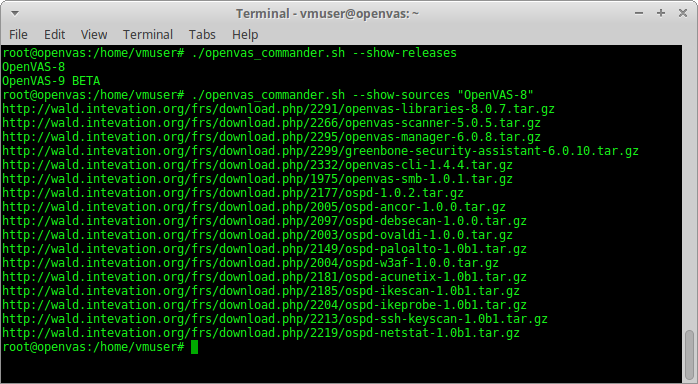
OpenVAS commander

Pros of using installation the sources:

  • It is the the fastest way to obtain current stable and beta version OpenVAS for every day use and testing.
  • Security reasons. As soon as there are no official OpenVAS packages you need to rely on some individuals who provide packages for popular distributions and in some cases it is not the option.
  • Some scripting for updating OpenVAS database and managing OpenVAS services will be required anyway. Starting the OpenVAS is still a quest: you need to check the statuses of database, start the services in a right order.
  • This is the first step towards the full automation of OpenVAS scanning and testing.

Cons:

  • You will need to install lot’s of additional packages to build OpenVAS binaries. More than 2Gb of files should be downloaded. It may take hours to install configure all this packages on a slow machine (especially all those TeX packages).
  • Building all packages also takes time. It takes as much time as knowledge base update.

I wrote a small bash script to simplify OpenVAS installation and management of  – openvas_commander.sh. Tested on Debian 8.5, should work on Ubuntu and Kali.

Upd 10.04.2017 Read how to use this script to install OpenVAS 9 on Debian in the post “Installing OpenVAS 9 from the sources“.

wget https://raw.githubusercontent.com/leonov-av/openvas-commander/master/openvas_commander.sh
chmod +x openvas_commander.sh

What are its advantages over other similar scripts?
Continue reading

Choosing the right time for Nessus update

Choosing the right time for Nessus update. Nessus update may be required for bugs and vulnerabilities fixing, and to enable some new features as well. While using of an old scanning engine or plugin feed may lead to incorrect scan results.

However, during the update process of Nessus engine, you need to stop it. What about the running and scheduled scanning tasks?

Switch off Nessus

Someone might think that it is possible to put running Nessus scan task on pause and launch it when update process is finished. Well, not really. All paused scan tasks will be marked as “aborted” after updating.

Even if Tenable will ever fix this, delayed scans may still be incorrect. Different targets should be scanned at the right time. It’s not a good idea to scan windows desktops after the end of the working day, when they will be probably turned off.
Continue reading

When a free scanning service detects vulnerabilities better

When a free scanning service detects vulnerabilities better. We all want to have a reliable and efficient Vulnerability Scanner. This scanner should be able to find any vulnerabilities immediately, as soon as the information about them is published. And, to be honest, no one wants to research how the scanner do it. Really. It’s not our job. We purchased the product, we trust the vendor and if this product does not work as we would like, it is a vendor’s problem. Is that right?

Not really. If we do not properly recognize the condition of our infrastructure and do not properly assess the risks, because of this vendor’s faults, this would be our problem. It’s relatively easily to find out that some detected vulnerabilities from scanning report are false positives, what if scanner didn’t find an existing vulnerability? How would you even know this happened?

That’s why we still have to understand how the scanners work, to watch the watcher.

A recent example. CVE-2016-2107: OpenSSL AES CBC cipher information disclosure.

upd. For this vulnerability Tenable released addition detection plugin: “Use multiple vulnerability scanners in the name of good”.

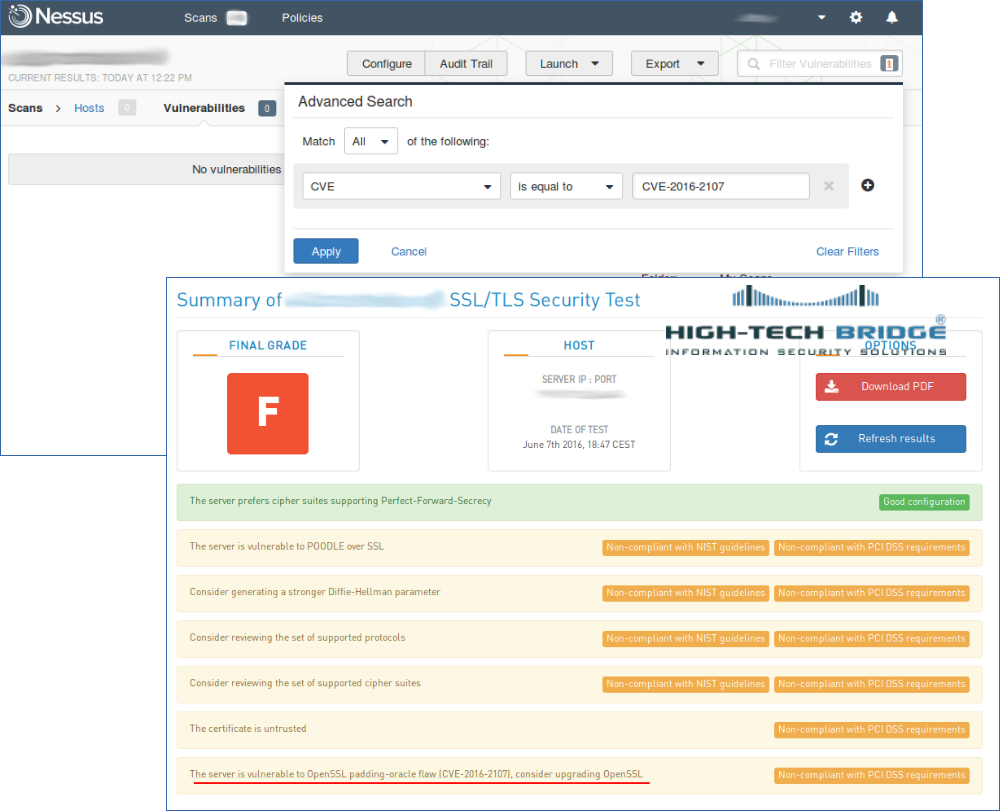
HT Bridge detects CVE-2016-2107 vulnerability, Nessus not

This vulnerability may be detected by free vulnerability scanning services and practically could not detected by Nessus via unauthenticated scanning. You can see on the screenshots how we have scanned the same host with Nessus and free service by High-Tech Bridge. And Nessus did not detect CVE-2016-2107.

Continue reading

Retrieving scan results through Nessus API

Retrieving scan results through Nessus API. In this first article about Nessus API I want to describe process of getting scan results from Nessus.

Of course, it’s also great to create and run scans or even create policies via API. But to be honest, in practice, you may need this functionality rarely. And it’s easier to do it manually in GUI. On the other hand, sometimes it very efficient to create automatically some specific scan task for specific group of hosts using existing (inventory) scan results. But we will talk about this topic next time (Upd. I wrote post about scan creation “Nessus API for hosts scanning“).

Nessus API

Now, imagine that we have configured regular Nessus scans. And we want to get this scan results on a regular basis to make some analysis and maybe create some tickets in Jira.

As usual, I will use curl for all examples, because it is easy to read and easy to test in any Linux terminal.

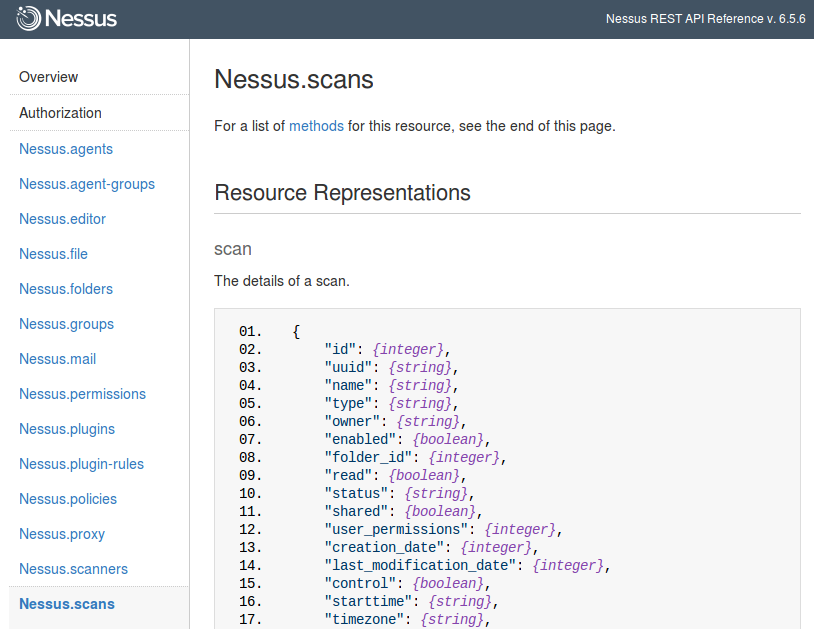
Starting from Nessus v.6 the API manual is built in GUI: https://<scanner_ip>:8834/api#
Continue reading

Making vulnerable OpenSSL scanning target

Making vulnerable OpenSSL scanning target. OpenSSL vulnerabilities appear regularly. Sometimes it is difficult to find out whether your vulnerability scanner can effectively detect specific vulnerability.

In fact, the only way to find this out is to scan a vulnerable host. Without this knowledge, it is dangerous to start a huge network scanning. You never know, the scanner did not find a vulnerability, because the infrastructure is safe or it wasn’t able to do it.

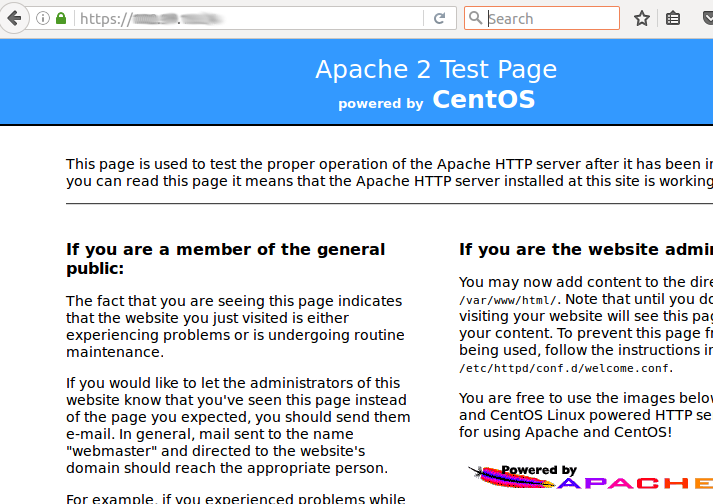
Let’s make the simplest stand: CentOS host with Apache and a self-signed OpenSSL certificate.

Vulnerable OpenSSL stand

Continue reading

PHDays VI: The Standoff

PHDays VI: The Standoff. A week ago I was at PHDays (Positive Hack Days) 2016 conference. For those who don’t know, there are two main events for security practitioners in Russia: PHDays in May and ZeroNights in November. Day-Night. Like this play on words. =)

phdays_logo

So, it was my 6th PHDays. I visited them all. But on this one for a first time I was as an ordinary visitor and not from organizers side. To be honest, I have never participated in organizing of PHDays, and just seen the final result. So, nothing changed much for me. As usual, organization was at very high level. And it’s not just my opinion, but the opinion of many participants.

Sad things first. And they are likely sad only for me. You know my passion to vulnerability assessment/management systems and scanners. So, despite the fact that Positive Technologies are the organizers of this event and Maxpatrol is still their’s flagman product, it was hard to hear anything related to vulnerability assessment/risk assessment/threat intelligence on PHDays. Isn’t it strange? Could you imagine this at Qualys QSC or Tenable event? Nothing much about critical controls and IT compliance in general.

It’s clear that vulnerability assessment is not already in trends in Russia. All are crazy about SIEM and slightly less about Anti-APT and SCADA security. Sad, but true.

Anyway, I have seen many interesting presentations about honeypots, computer forensics, machine learning and security startups. I also visited a SIEM roundtable with representatives of Positive Technologies, First Russian SIEM (RuSIEM), ArcSight, IBM Qradar, Splunk, and Cisco Systems. More details under the cut.

Continue reading

SteelCloud ConfigOS

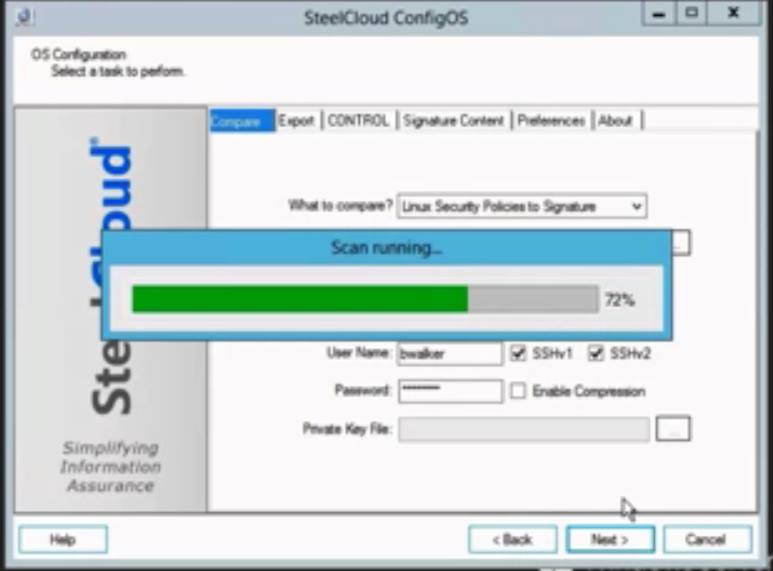
SteelCloud ConfigOS. Sometimes LinkiedIn shows me an interesting advertising. For example, today I watched a  recorded demo of SteelCloud ConfigOS. It is a proprietary tool that performs automated DISA STIGs compliance checking for RHEL or Windows  and provides automated remediation.

Well, as it works automatically, it  won’t make custom SELinux configuration for you, for example. In the other hand, this software is for the US military and related organizations, where everything should be highly standardized.

Scan running

scan_running

Continue reading