

Tag Archives: AssetManagement

The Vulners team has introduced a new AI-powered product - Cube

The Vulners team has introduced a new AI-powered product - CubeThe Vulners team has introduced a new AI-powered product - CubeThe Vulners team has introduced a new AI-powered product - CubeThe Vulners team has introduced a new AI-powered product - CubeThe Vulners team has introduced a new AI-powered product - CubeThe Vulners team has introduced a new AI-powered product - CubeThe Vulners team has introduced a new AI-powered product - CubeThe Vulners team has introduced a new AI-powered product - CubeThe Vulners team has introduced a new AI-powered product - Cube

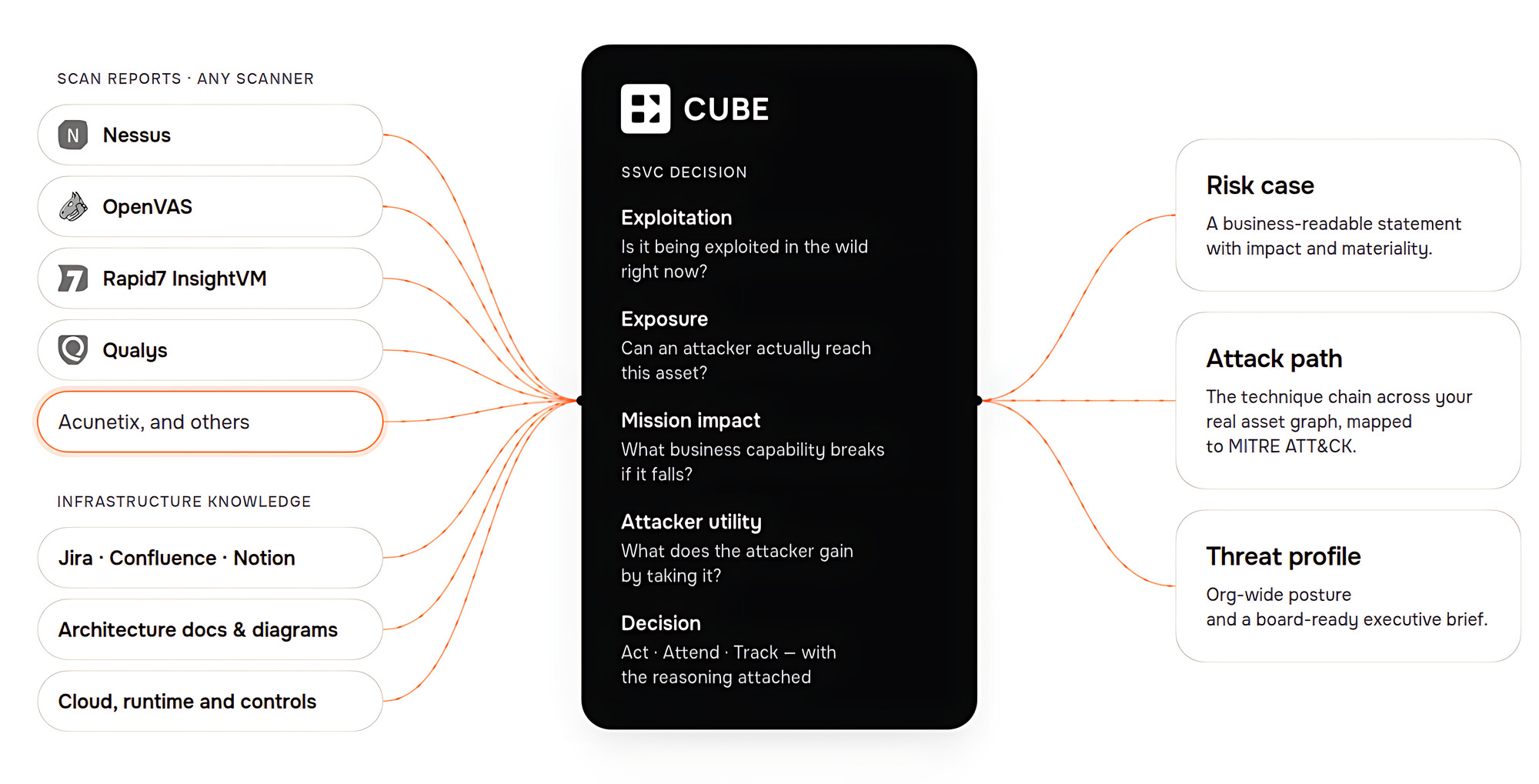
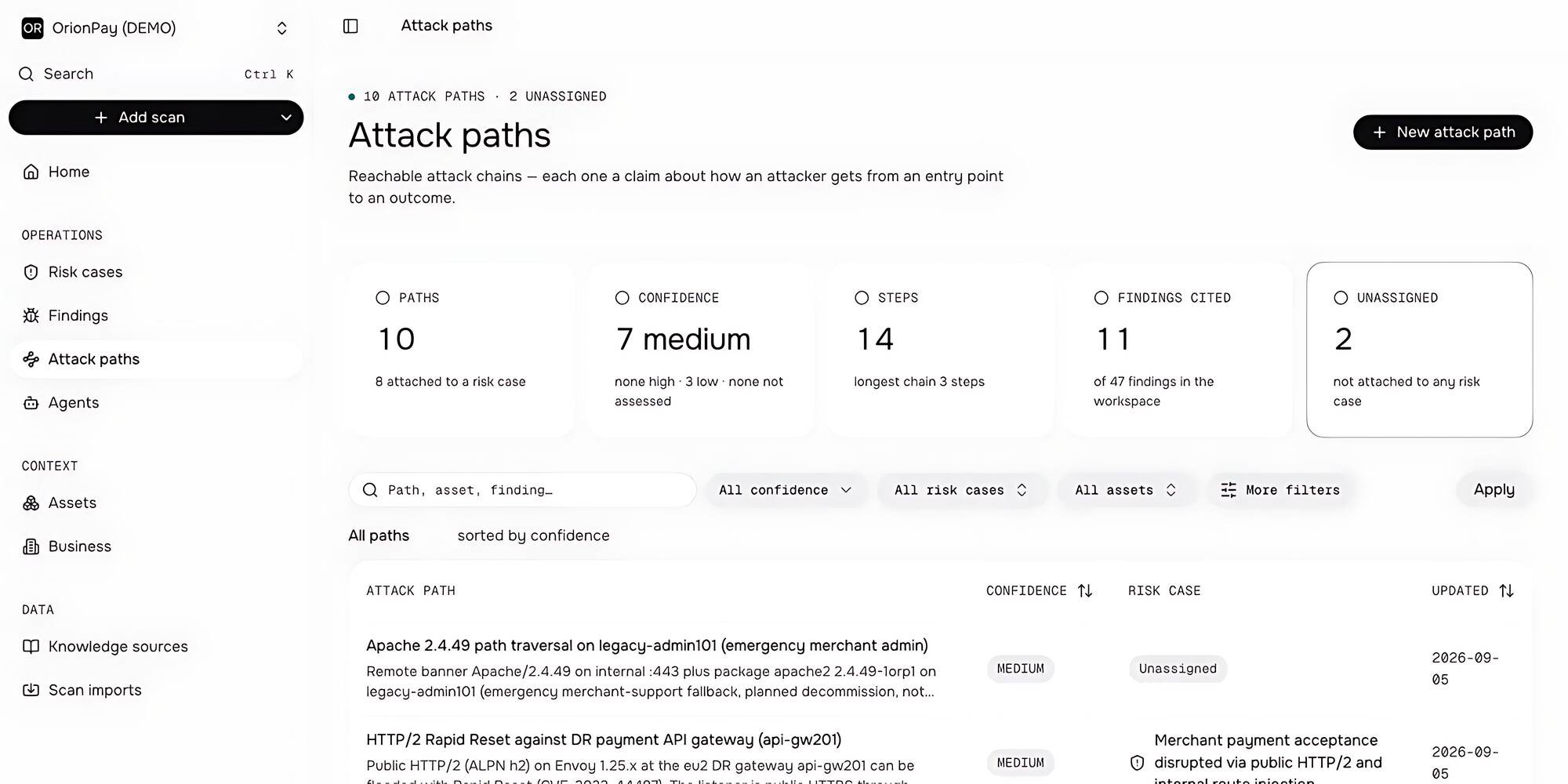
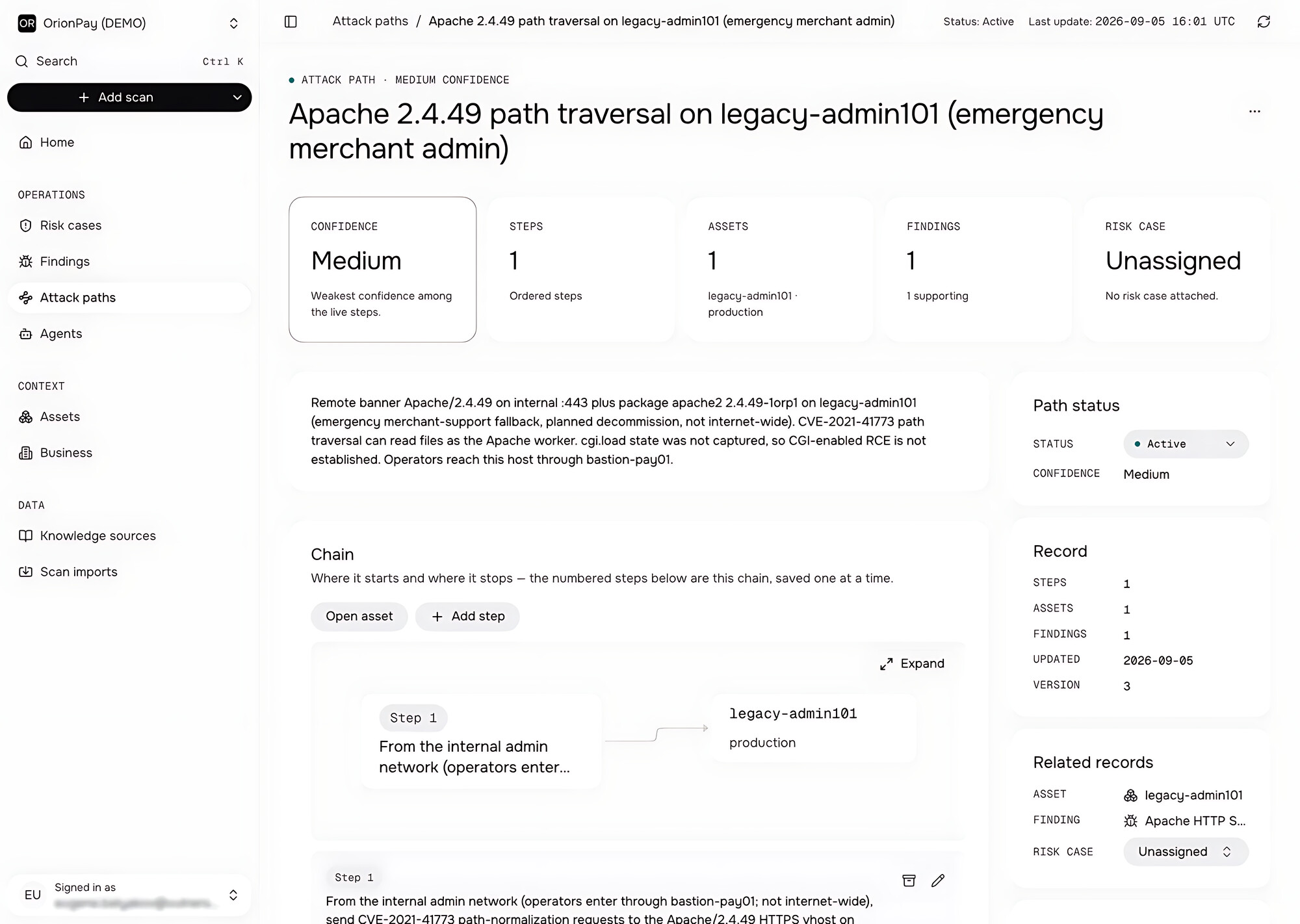
The Vulners team has introduced a new AI-powered product - Cube. The platform provides contextual analysis of vulnerability scan results, correlating technical findings with information about an organization's infrastructure and business processes.

Cube is built around three core layers:

📥 Evidence Layer - collects reports from existing vulnerability scanners, including Nessus, OpenVAS, Qualys, Rapid7 InsightVM, Acunetix, and others. It processes the findings and maps them to actual infrastructure assets.

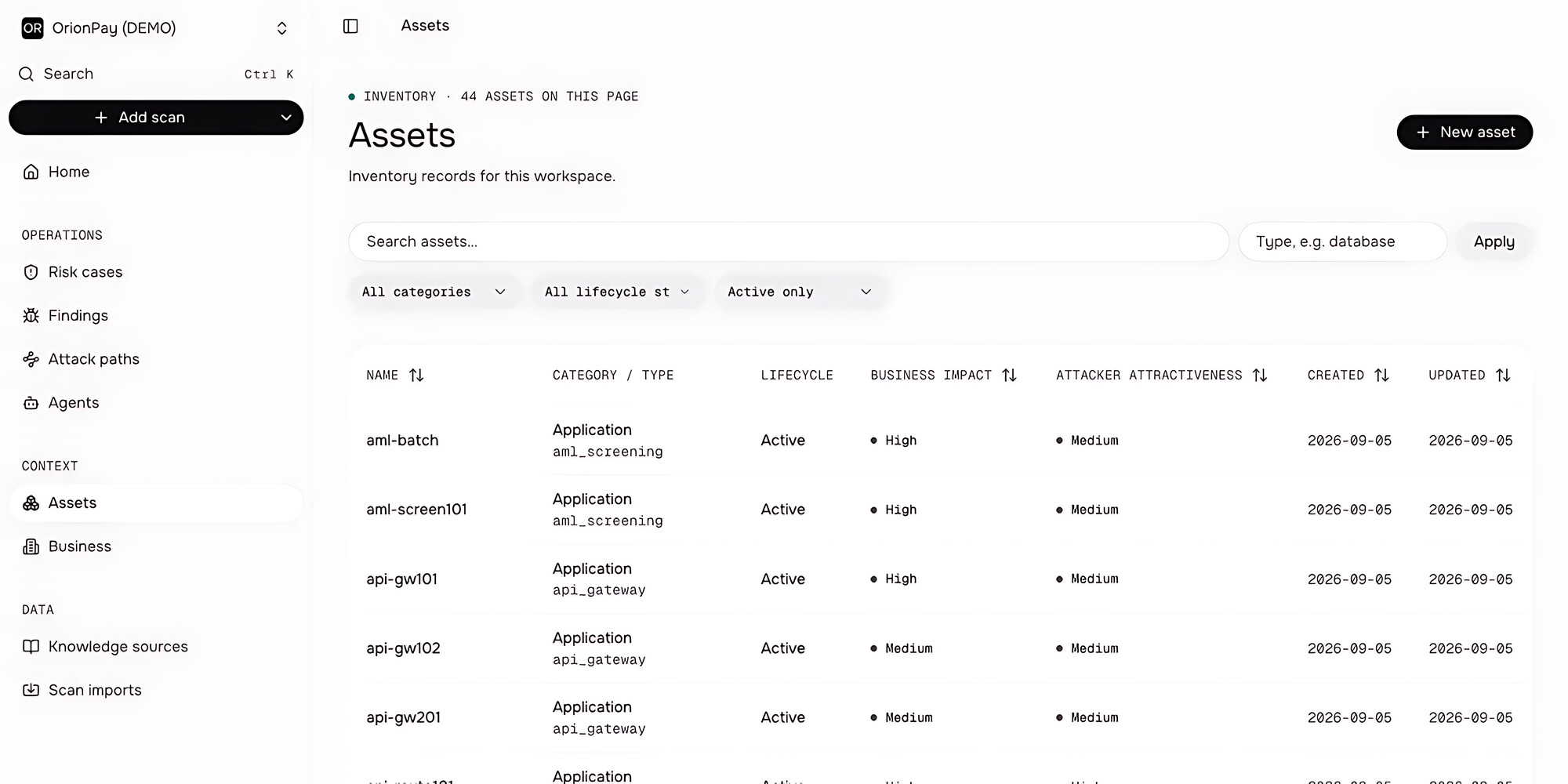
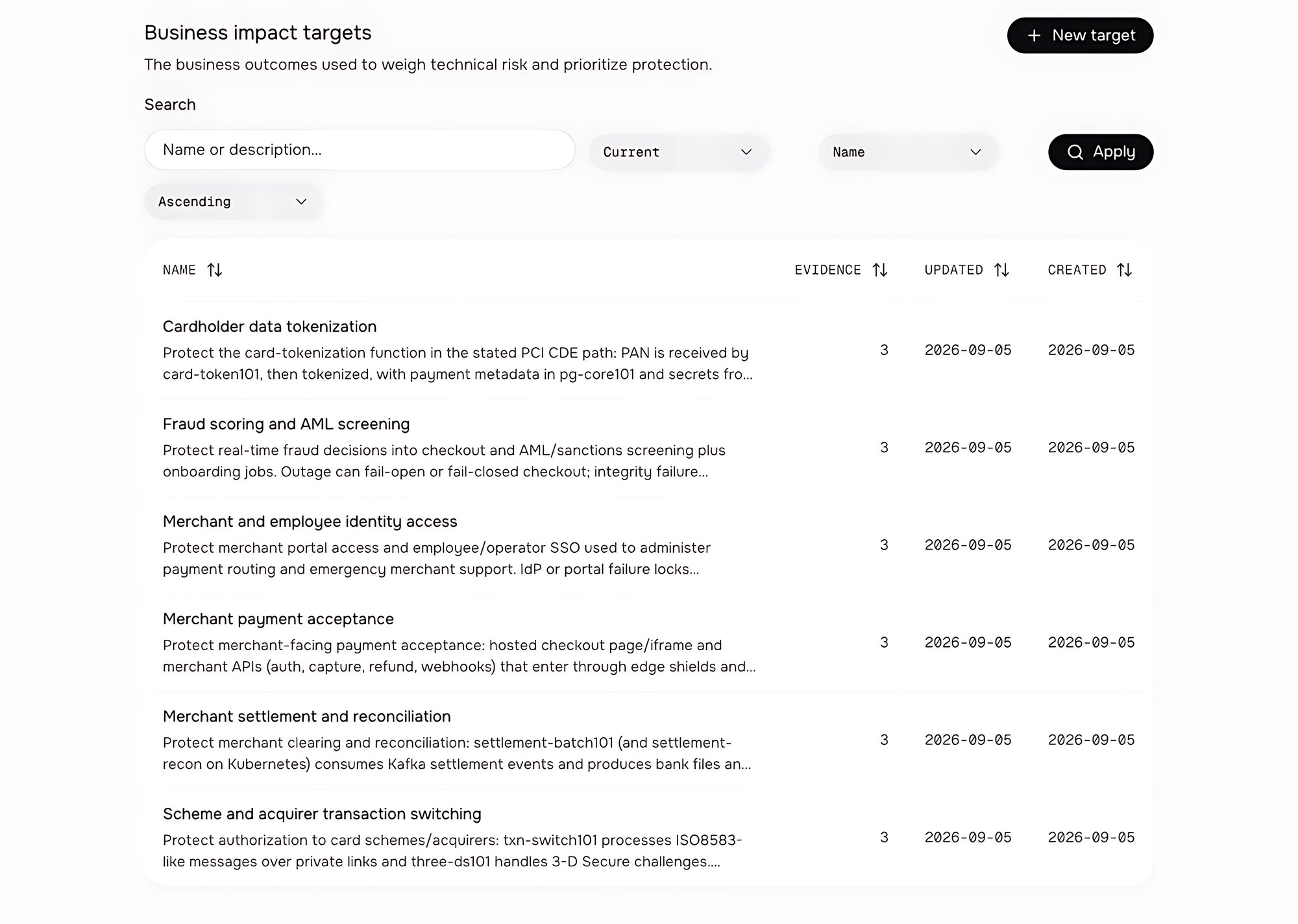
🗺️ Context Layer - enriches scan results with infrastructure data from architectural documentation, diagrams, task tracker tickets, cloud environments, and business processes. It builds a contextual model of the infrastructure, including a CMDB and network graph, helping identify affected assets, evaluate their exposure, and understand their role in business operations.

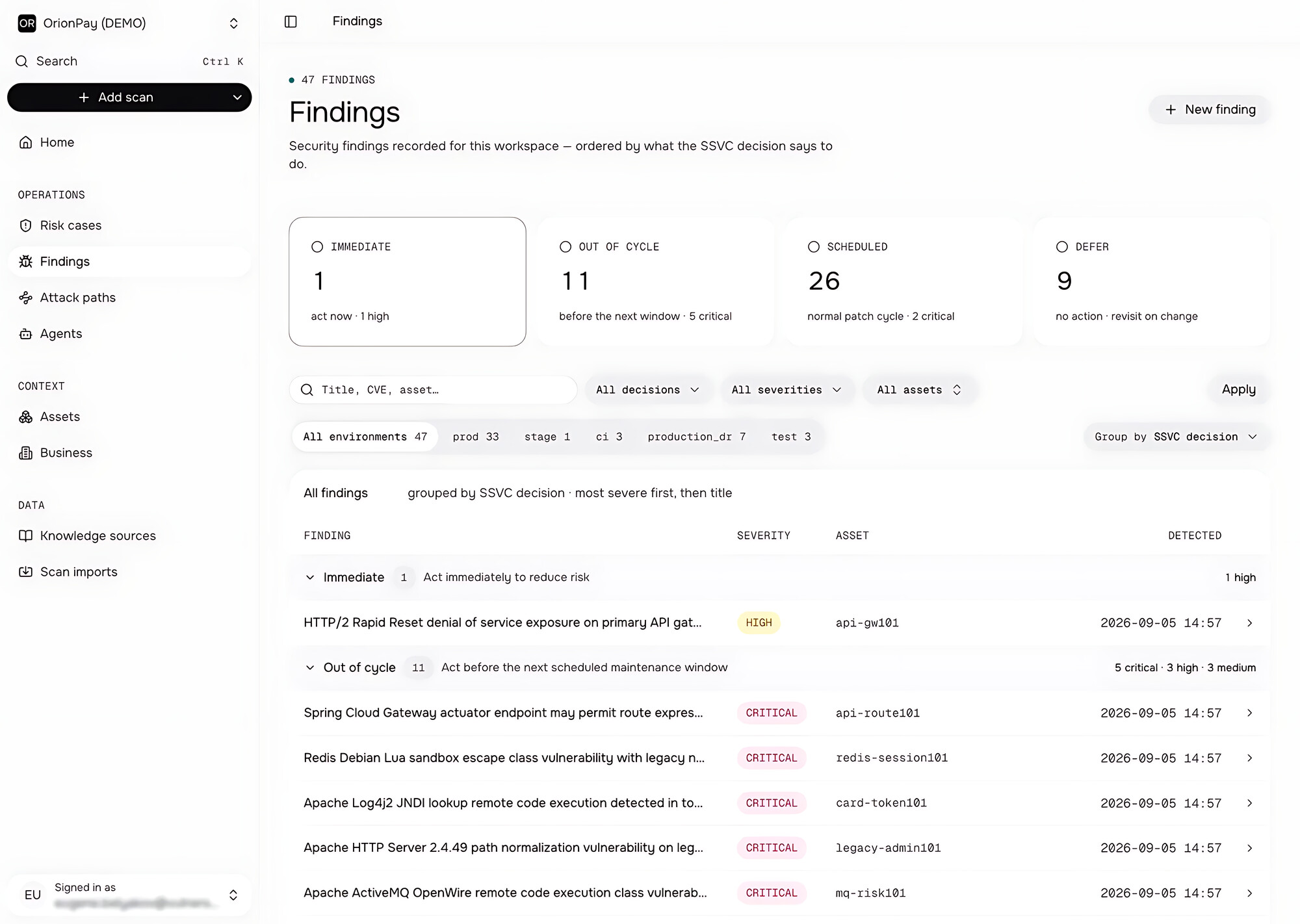
🧠 Decision Layer - uses the CISA SSVC (Stakeholder-Specific Vulnerability Categorization) methodology to prioritize remediation efforts. Unlike CVSS, which focuses on the technical severity of vulnerabilities, SSVC uses a decision tree that takes exploitation conditions and potential business impact into account.

The CISA SSVC model defines four possible decision outcomes:

🟢 Track - vulnerability remediation follows the standard Vulnerability Management process. The vulnerability is monitored and addressed according to standard software update timelines.

🟡 Track* - the vulnerability requires closer monitoring, with its assessment revisited as new information or circumstances emerge.

🟠 Attend - the vulnerability requires increased attention from security teams and relevant management. This may involve bringing in additional experts and notifying key stakeholders. Remediation should be accelerated.

🔴 Act - the vulnerability requires escalation to senior management, with response efforts coordinated across departments. A coordinated action plan is developed, the necessary stakeholders are engaged, and remediation is carried out as soon as possible.

SSVC therefore determines not only which vulnerabilities should be addressed first, but also the level of organizational response required to address them.

Cube provides users with several types of results:

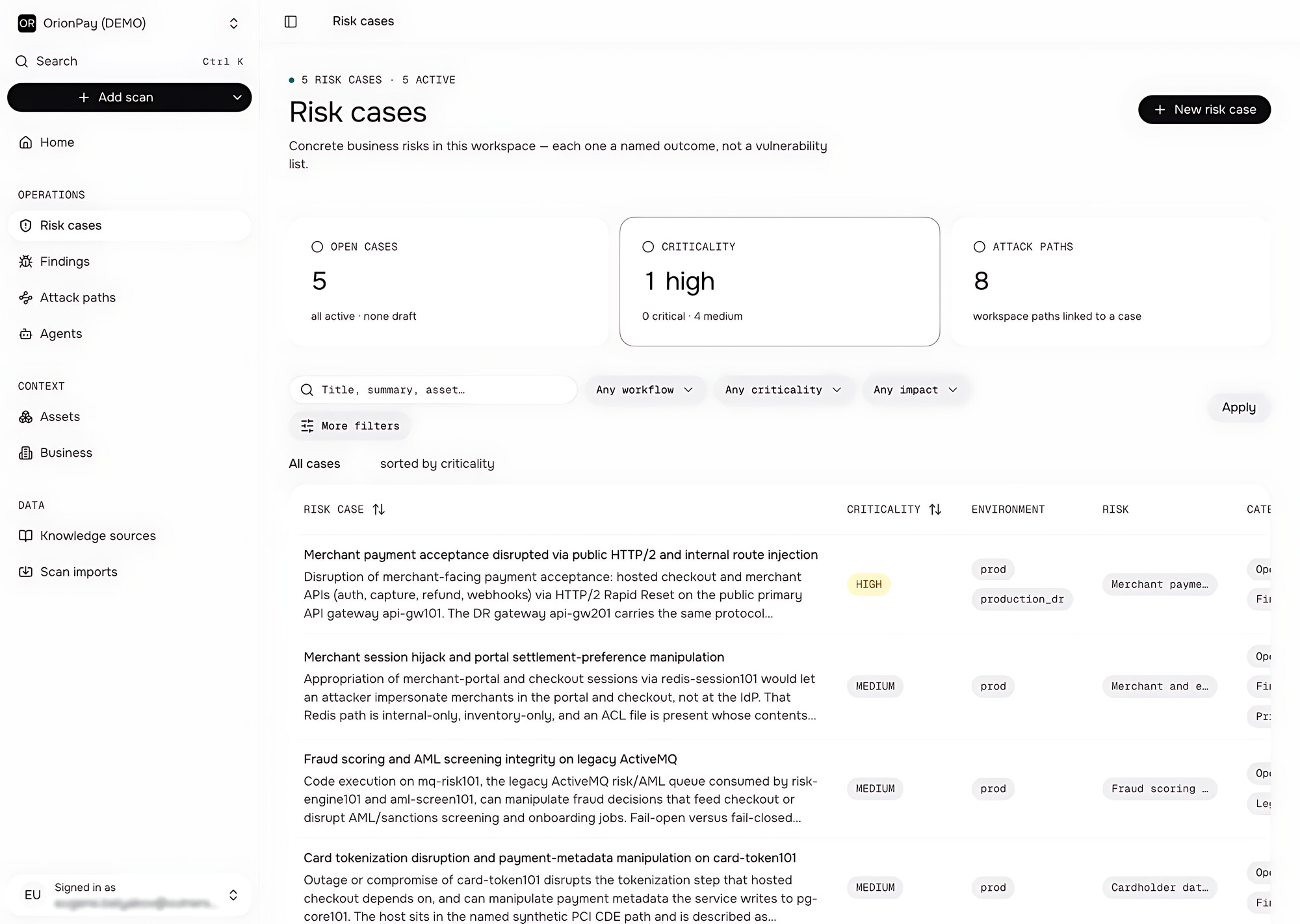
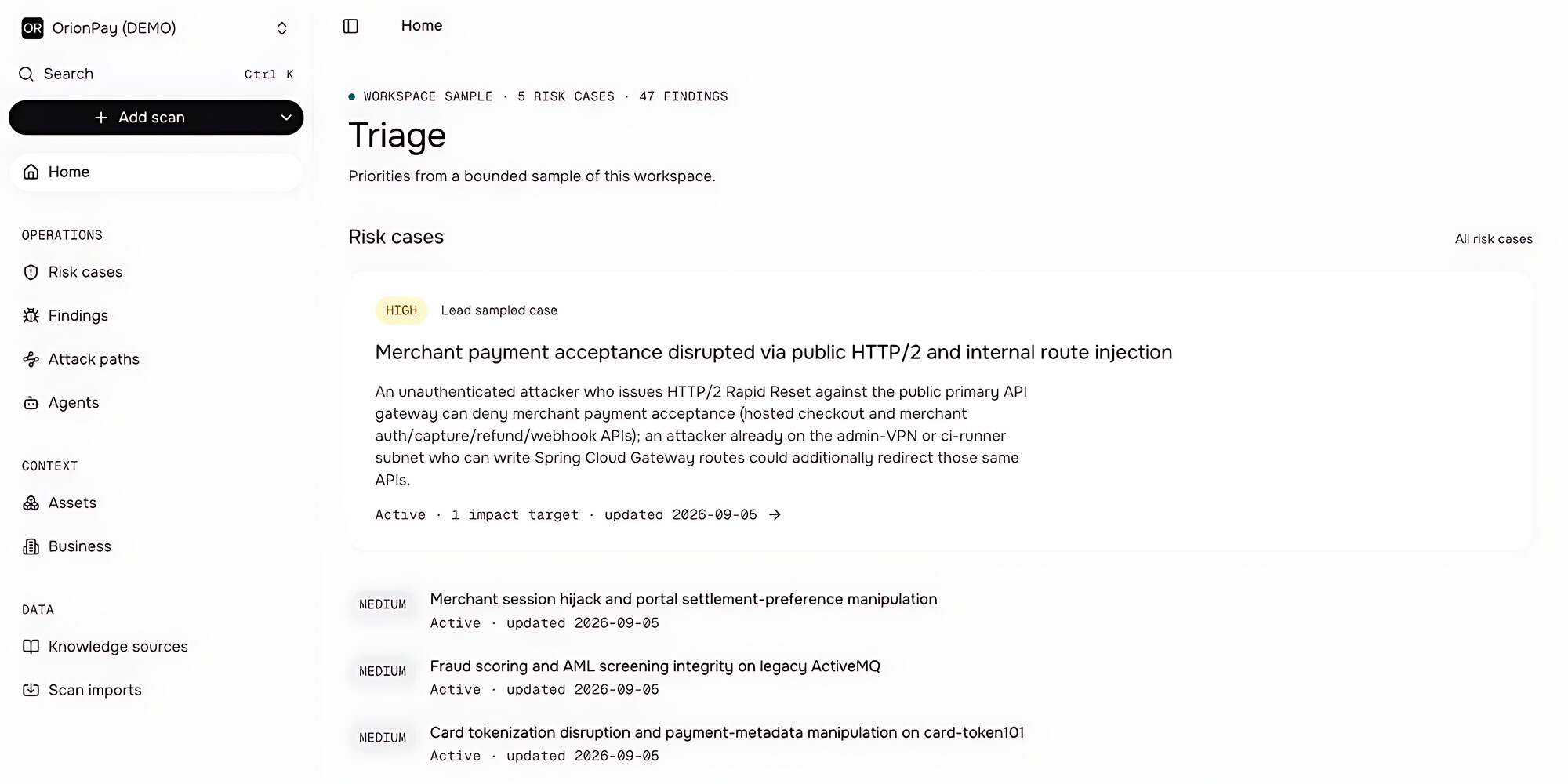
🎯 Risk Cases - grouped findings accompanied by severity ratings and assessments of potential business impact.

🛤️ Attack Paths - potential attack paths between assets, aligned with the MITRE ATT&CK framework.

🛡️ Threat Profile - an overview of the threat landscape and the current state of the infrastructure.

📋 Decision Rationale - explanations of decisions, linked to the original reports, assessments, and infrastructure data.

For example, a vulnerability with a CVSS score of 9.8 on an isolated internal build server may be assigned a lower priority than a vulnerability with a CVSS score of 7.5 on a publicly accessible payment gateway. In the latter case, the potential business impact is significantly greater.

The platform is deployed within the customer's own infrastructure (on-premises) and supports any LLM with an OpenAI- or Anthropic-compatible API, including proprietary models running on the customer's GPU servers. This means Cube does not lock customers into a specific AI provider. Vulners does not charge for token usage, leaving customers in control of their LLM costs. According to Vulners, running the model in a medium-sized infrastructure costs approximately $1,000 per month.

To summarize, Cube enriches traditional Vulnerability Management by linking technical vulnerabilities to infrastructure assets, operational processes, and potential business impact.
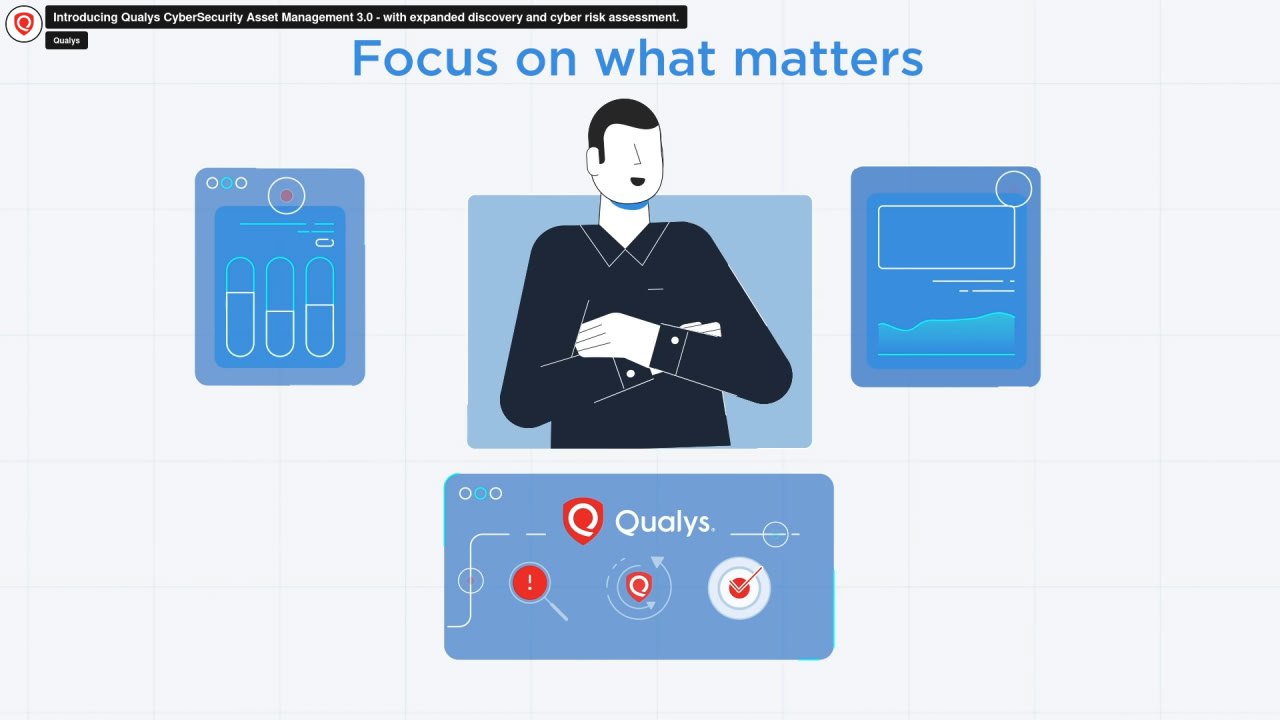
Yesterday Qualys introduced CyberSecurity Asset Management 3.0

Yesterday Qualys introduced CyberSecurity Asset Management 3.0Yesterday Qualys introduced CyberSecurity Asset Management 3.0

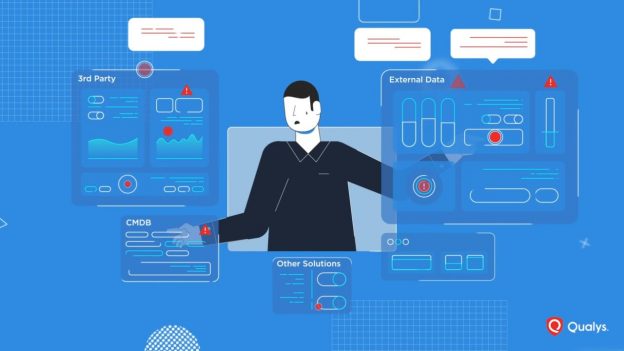
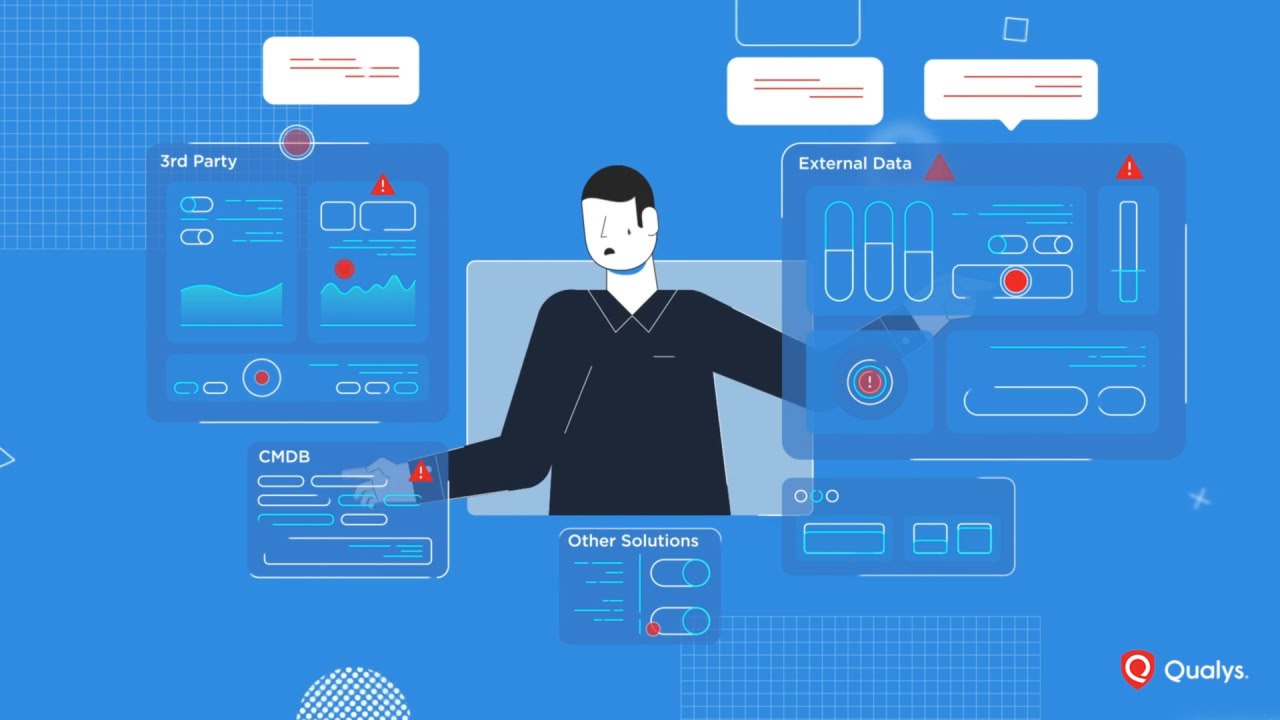
Yesterday Qualys introduced CyberSecurity Asset Management 3.0. The product name contains "Asset Management", but in the first sentence the solution is presented to us as "re-defining attack surface management" (EASM). Such a Gartner-style marketing mishmash. 🤷‍♂️ At the same time, Qualys does have quite unusual Asset Management and EASM. And it’s unusual how they came to this. These are solely my impressions as an outside observer; I do not have any insider information.

🔹 In 2020, Qualys introduced a Global AssetView solution. To put it simply, users could roll out Qualys cloud agents to hosts in the their infrastructure, deploy Qualys Passive Sensor to search for unknown assets in network traffic, and based on this get some basic understanding of their infrastructure (without detecting vulnerabilities). And most importantly, it's all free! This is a Freemium offer that allowed the company to conveniently upsell the functionality of Vulnerability Management and Compliance Management. The move is very, very bold.

🔹 In 2021, as a development of Global AssetView, the CyberSecurity Asset Management product appeared. This was already a full-fledged Asset Management: two-way synchronization with ServiceNow CMDB, asset criticality assessment, analysis of installed software, attack surface analysis using Shodan (the last option was not particularly emphasized back then). As far as I can understand, the original purpose of CSAM was to deal with cases that affect the security of assets, but are not, strictly speaking, vulnerabilities: shadow IT, upcoming end-of-life (EoL)-of-support (EoS) hosts, hosts without installed EDR, risky ports accessible from the Internet, misconfigurations of software and services.

🔹 In 2022, Qualys released CyberSecurity Asset Management 2.0 with an integrated External Attack Surface Management (EASM) solution. The idea that EASM can be developed and delivered as part of an Asset Management solution is quite unusual. But there is logic in this. Reducing the attack surface is not about patching this or that vulnerable server. This is about the fact that there should not be any unnecessary junk ("if an externally facing asset or its configuration is not necessary for the business, then it should be shut down"). And from this point of view, EASM is really not so much a perimeter scanner. It is rather a cunning utility that lists non-obvious assets that are, with some probability, related to the company, and shows the risks associated with them. 🐇 🎩 Is this part of Аsset Management? Well, apparently so.

So, as far as I understand, Qualys now has VMDR (Vulnerability Management, Detection and Response), which includes CSAM (CyberSecurity Asset Management ), which in turn includes EASM (External Attack Surface Management). Something like a matryoshka. 🪆

What's in CSAM 3.0?

🔻 Qualys removed mentions of Shodan. "CSAM 3.0 uses new attribution scoring and expands the use of open-source technology and a proprietary internet scanner to drive accurate discovery, attribution, and vulnerability assessment". When attributing an asset, attribution scoring are displayed (you can filter by them).

🔻Cloud Agent Passive Sensing asset detection capabilities are now used (host agents that sniff traffic).

🔻Connectors for integration with asset data sources (connectors for Active Directory and BMC Helix announced). Apparently there was no integration with AD before.🤷‍♂️

На русском