


Tag Archives: jira

The Vulners team has introduced a new AI-powered product - Cube

The Vulners team has introduced a new AI-powered product - CubeThe Vulners team has introduced a new AI-powered product - CubeThe Vulners team has introduced a new AI-powered product - CubeThe Vulners team has introduced a new AI-powered product - CubeThe Vulners team has introduced a new AI-powered product - CubeThe Vulners team has introduced a new AI-powered product - CubeThe Vulners team has introduced a new AI-powered product - CubeThe Vulners team has introduced a new AI-powered product - CubeThe Vulners team has introduced a new AI-powered product - Cube

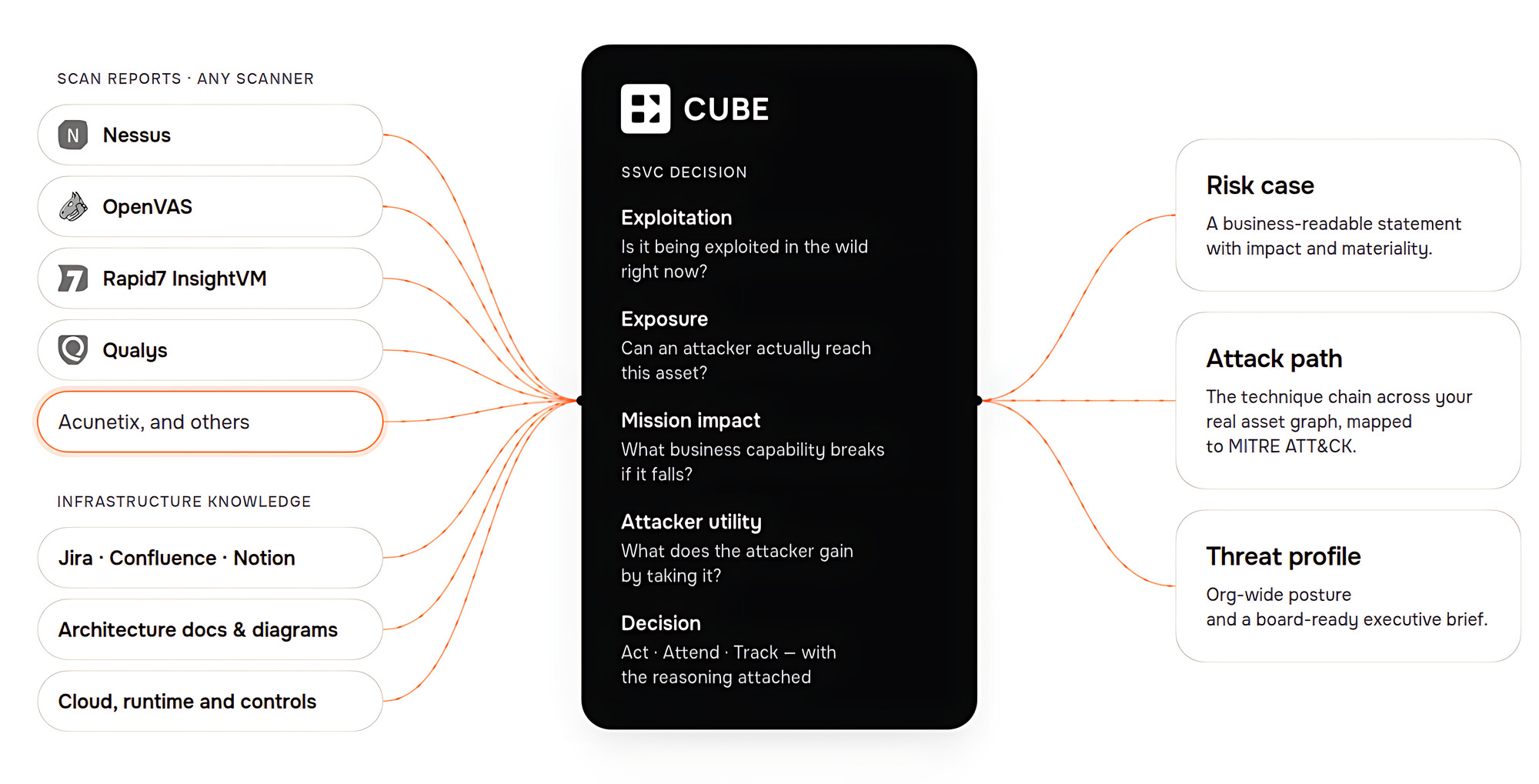
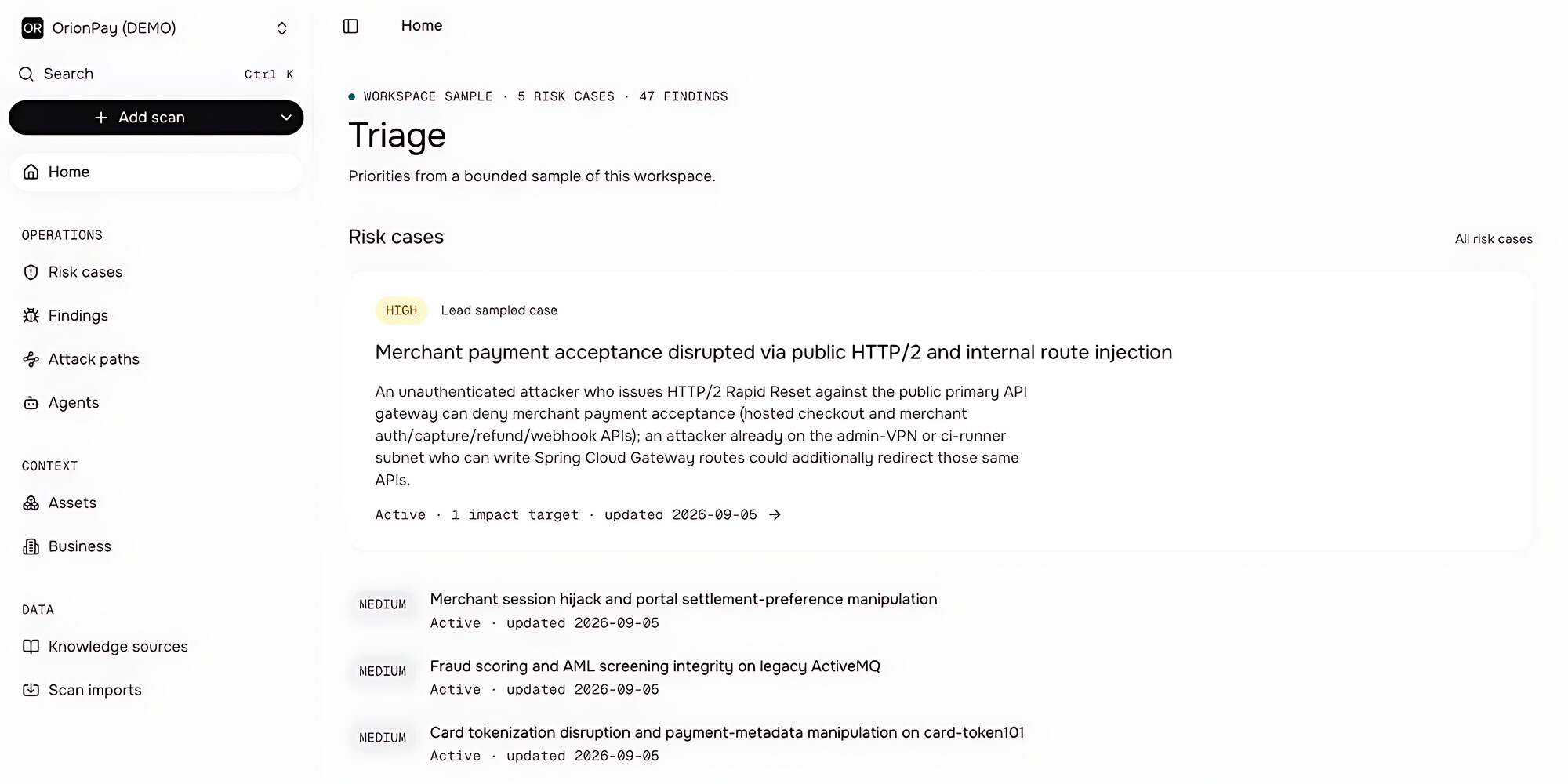
The Vulners team has introduced a new AI-powered product - Cube. The platform provides contextual analysis of vulnerability scan results, correlating technical findings with information about an organization's infrastructure and business processes.

Cube is built around three core layers:

📥 Evidence Layer - collects reports from existing vulnerability scanners, including Nessus, OpenVAS, Qualys, Rapid7 InsightVM, Acunetix, and others. It processes the findings and maps them to actual infrastructure assets.

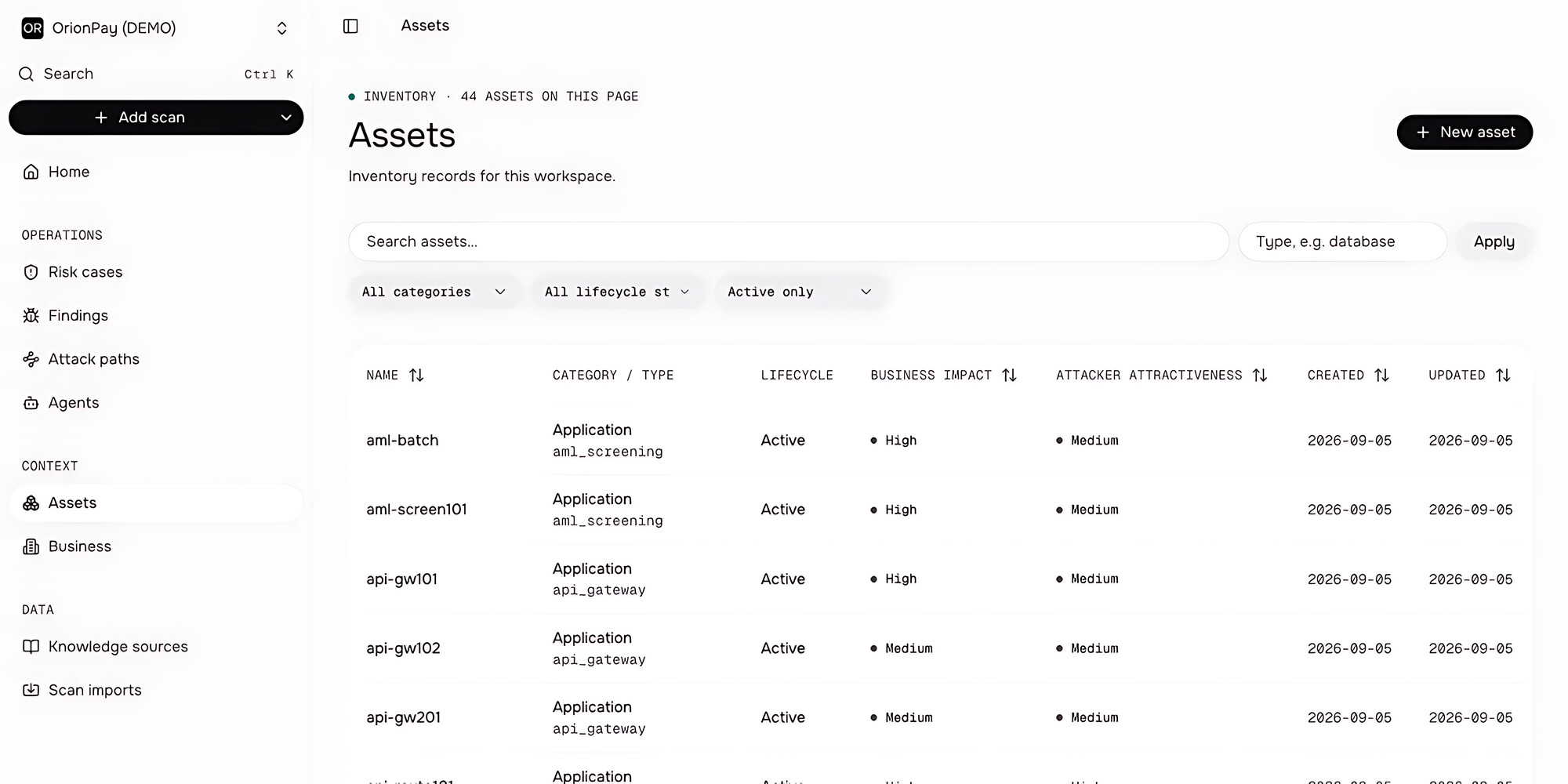
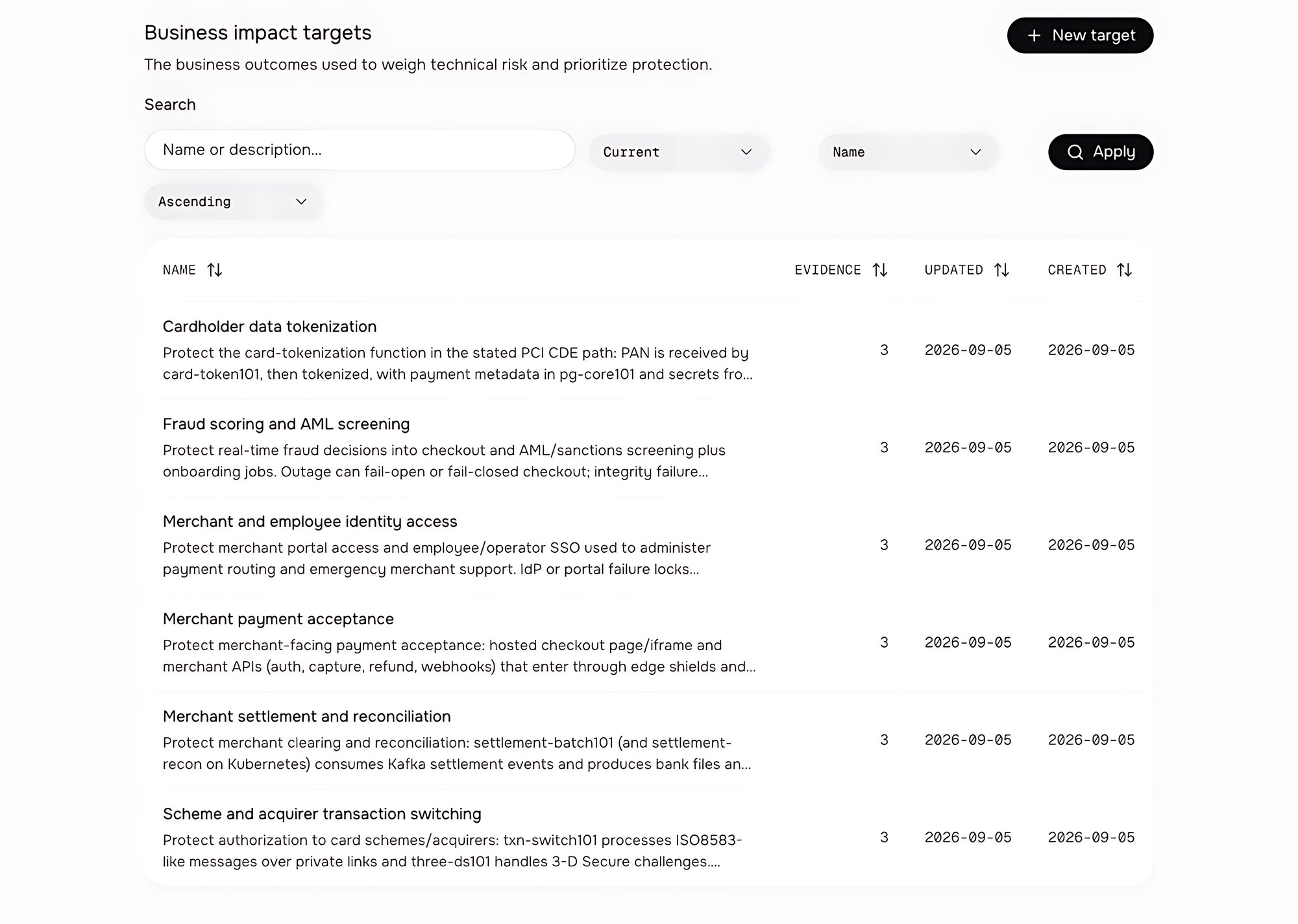
🗺️ Context Layer - enriches scan results with infrastructure data from architectural documentation, diagrams, task tracker tickets, cloud environments, and business processes. It builds a contextual model of the infrastructure, including a CMDB and network graph, helping identify affected assets, evaluate their exposure, and understand their role in business operations.

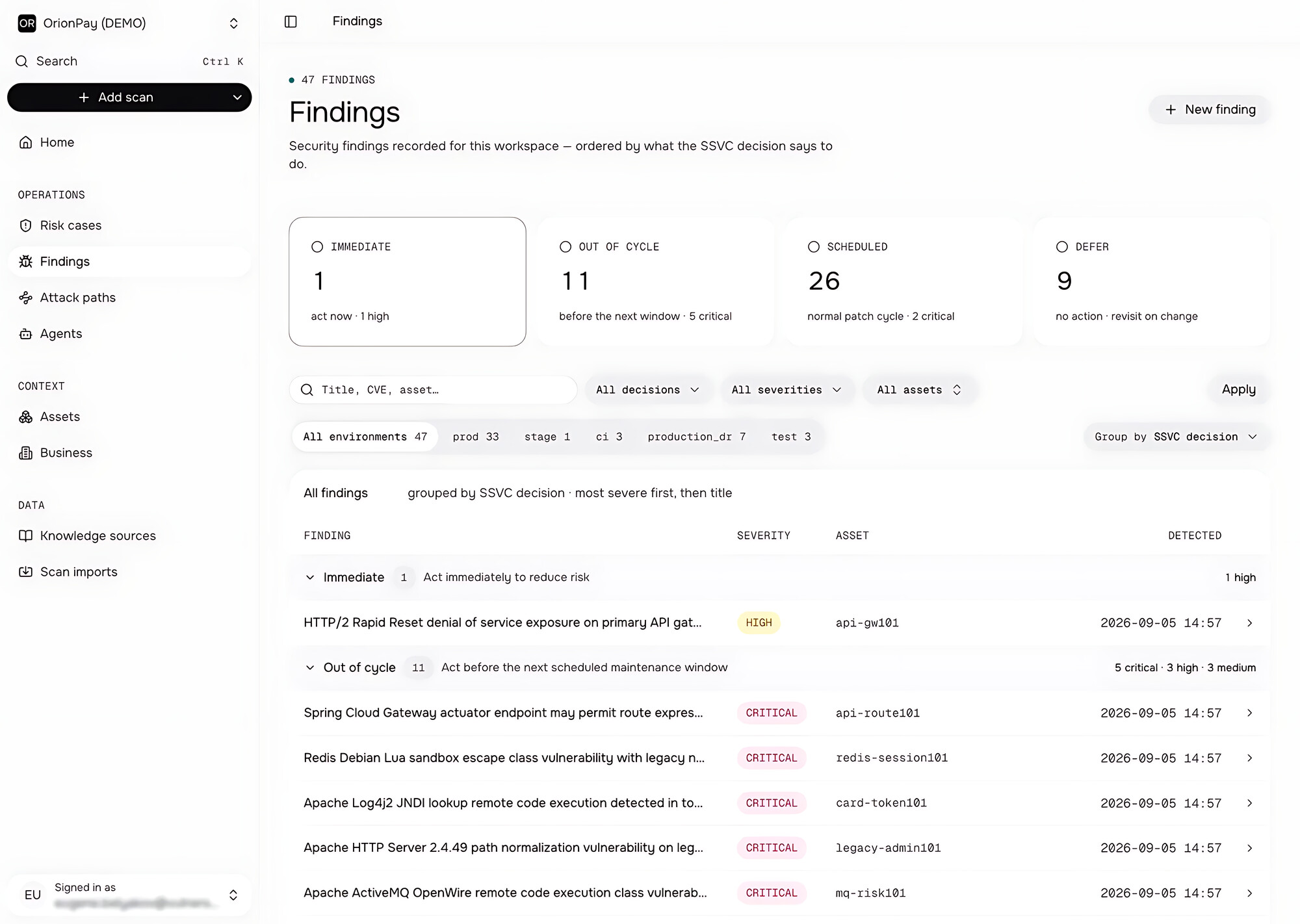
🧠 Decision Layer - uses the CISA SSVC (Stakeholder-Specific Vulnerability Categorization) methodology to prioritize remediation efforts. Unlike CVSS, which focuses on the technical severity of vulnerabilities, SSVC uses a decision tree that takes exploitation conditions and potential business impact into account.

The CISA SSVC model defines four possible decision outcomes:

🟢 Track - vulnerability remediation follows the standard Vulnerability Management process. The vulnerability is monitored and addressed according to standard software update timelines.

🟡 Track* - the vulnerability requires closer monitoring, with its assessment revisited as new information or circumstances emerge.

🟠 Attend - the vulnerability requires increased attention from security teams and relevant management. This may involve bringing in additional experts and notifying key stakeholders. Remediation should be accelerated.

🔴 Act - the vulnerability requires escalation to senior management, with response efforts coordinated across departments. A coordinated action plan is developed, the necessary stakeholders are engaged, and remediation is carried out as soon as possible.

SSVC therefore determines not only which vulnerabilities should be addressed first, but also the level of organizational response required to address them.

Cube provides users with several types of results:

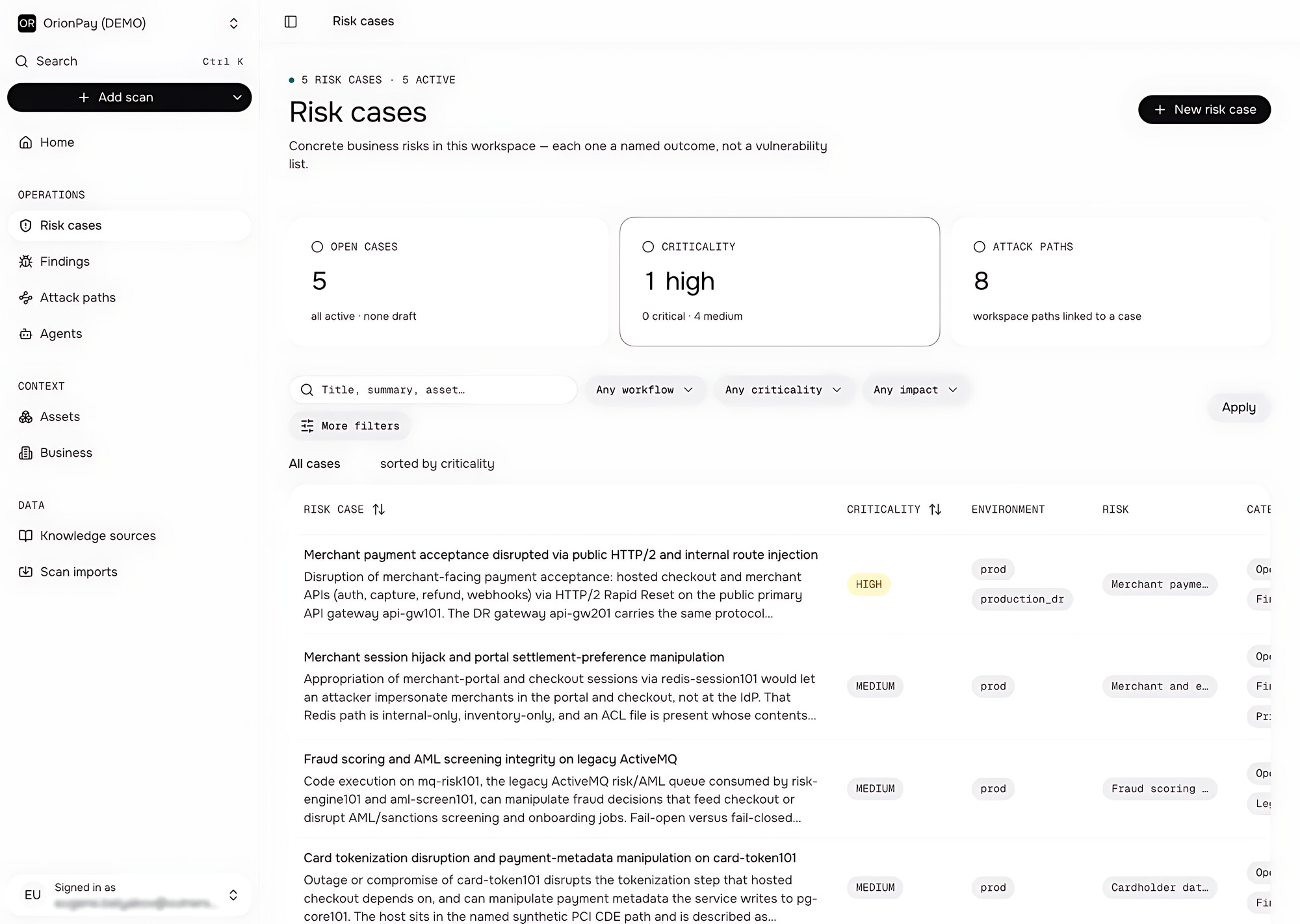
🎯 Risk Cases - grouped findings accompanied by severity ratings and assessments of potential business impact.

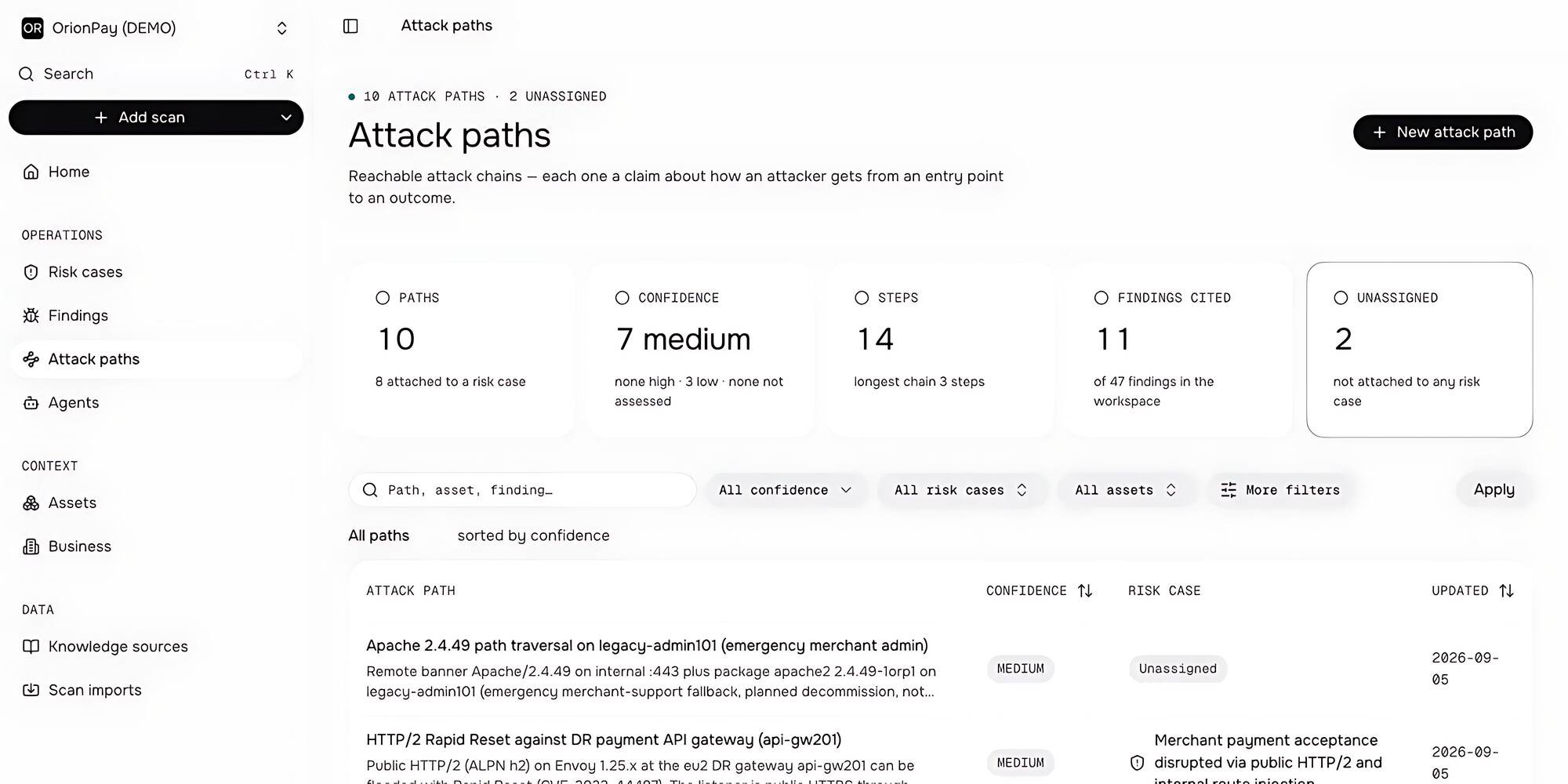
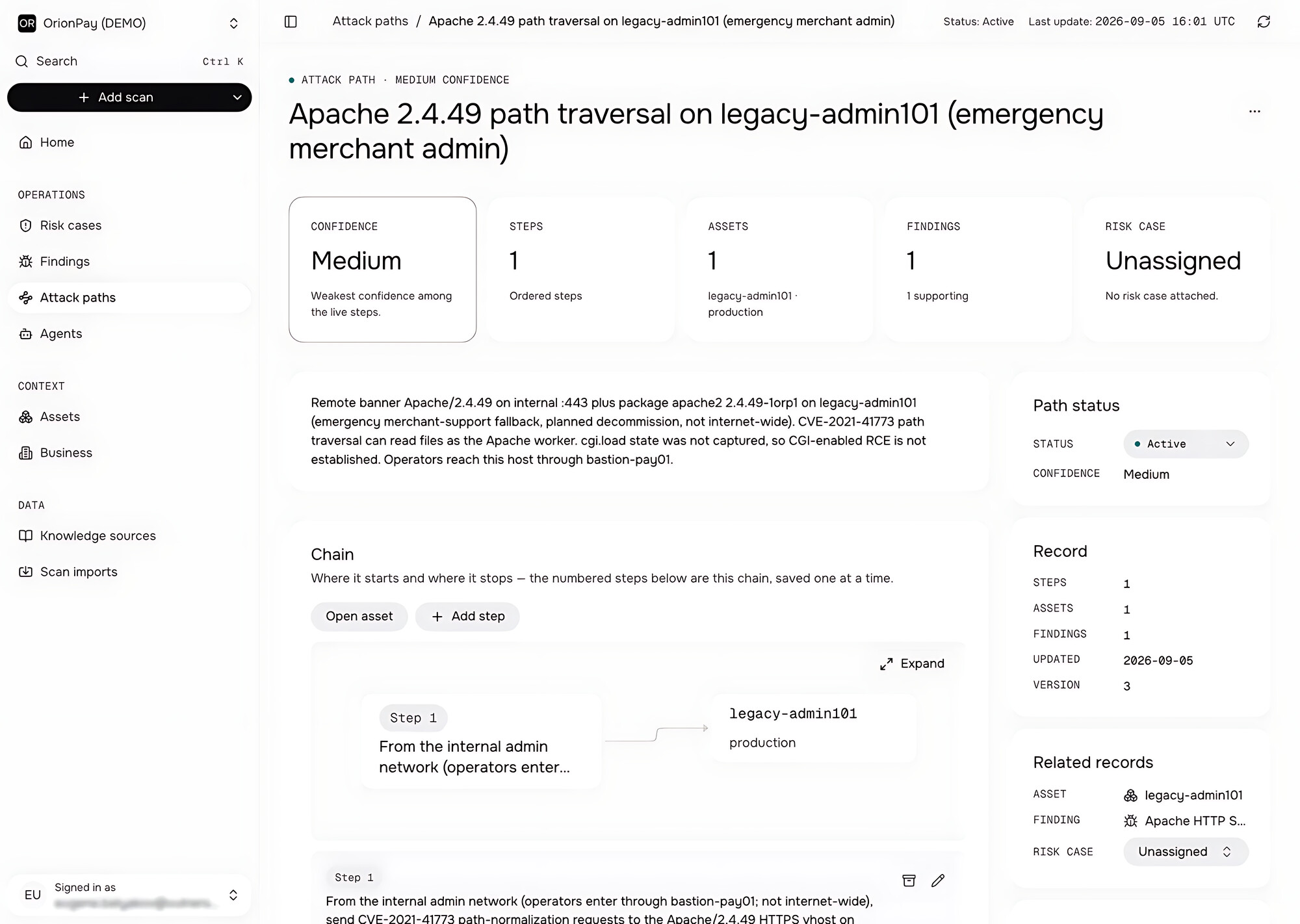
🛤️ Attack Paths - potential attack paths between assets, aligned with the MITRE ATT&CK framework.

🛡️ Threat Profile - an overview of the threat landscape and the current state of the infrastructure.

📋 Decision Rationale - explanations of decisions, linked to the original reports, assessments, and infrastructure data.

For example, a vulnerability with a CVSS score of 9.8 on an isolated internal build server may be assigned a lower priority than a vulnerability with a CVSS score of 7.5 on a publicly accessible payment gateway. In the latter case, the potential business impact is significantly greater.

The platform is deployed within the customer's own infrastructure (on-premises) and supports any LLM with an OpenAI- or Anthropic-compatible API, including proprietary models running on the customer's GPU servers. This means Cube does not lock customers into a specific AI provider. Vulners does not charge for token usage, leaving customers in control of their LLM costs. According to Vulners, running the model in a medium-sized infrastructure costs approximately $1,000 per month.

To summarize, Cube enriches traditional Vulnerability Management by linking technical vulnerabilities to infrastructure assets, operational processes, and potential business impact.
The Vulners team has released nmap-vulners 2.0

The Vulners team has released nmap-vulners 2.0

The Vulners team has released nmap-vulners 2.0. This plugin (an NSE script) turns the popular Nmap port scanner into a black-box vulnerability scanner. Simply run $ nmap -sV --script vulners <target> to get a prioritized report on vulnerabilities and exploits. And all of this is available for free with no limitations. 🆓😉

How exactly does this plugin work?

To find vulnerabilities, the software is identified first:

🔹 The service's CPE identifier may be provided by Nmap itself (using the -sV option).

🔹 If Nmap fails to identify the service, the plugin attempts to determine the CPE identifier from the raw banner using rules for FTP, SMTP, SSH, MySQL, DNS, NTP, LDAP, and other services. Starting with version 2.0, the fingerprint catalog is updated weekly based on Recog, Wappalyzer, WhatWeb, FingerprintHub, and nuclei-templates. The latest catalog is automatically fetched when the plugin runs.

🔹 If an HTTP service is detected, nmap-vulners also attempts to identify the web stack, including the framework, CMS, or PHP version behind a reverse proxy. It analyzes Server and X-Powered-By headers, cookies, the page title, meta tags, filenames in script src, and page content. The plugin includes more than 700 rules. In version 2.0, the number of HTTP path fingerprints increased from 125 to 939, while parallelization kept the processing time at around 6 seconds per port.

🔹 If a product is identified but its version is unknown, the plugin makes a single request to a known file that contains version information, such as /CHANGELOG.txt for Drupal or /administrator/manifests/files/joomla.xml for Joomla. This works with Concrete5, Drupal, Jira, Joomla, Apache Tomcat, and WordPress.

🔹 Finally, if a service cannot be identified, Smart Audit can be used. The raw banner is sent to the Vulners server, which identifies the software and its version and then looks for related vulnerabilities. This is the only paid feature! Each unique request costs 1 credit, and results are cached. The number of requests is limited by the vulners.max_items parameter, which defaults to 32. Smart Audit can be disabled entirely with --script-args vulners.max_items=0.

The service data is then sent to the Vulners server, which returns a prioritized vulnerability report. For each vulnerability or exploit, the report includes its ID, SEVERITY level, CVSS and EPSS scores, Vulners AI score, KEV and EXP flags, and a link to its page on the Vulners website.

So, is an API key actually required?

🔹 The plugin can work without an API key. However, detection will use the legacy endpoint, and some vulnerability and exploit data will not be available.

🔹 Adding an API key, even without credits, enables the "EXP" flag for vulnerabilities and the "KEV" flag for both vulnerabilities and exploits. It also adds an EPSS score column, providing more complete prioritization: KEV → CISA SSVC Exploitation Active → exploits → EPSS → CVSS. So, an API key is recommended. 😉

🔹 If your API key has credits, the Smart Audit feature is also available (see above).

Installation

To install the plugin, simply run the one-line script. The installer automatically finds Nmap and its NSE script directory, installs the latest vulners.nse version, and removes old 1.x files. It then runs nmap --script-updatedb and verifies the installation. The --user and --prefix options let you specify the installation directory, while --uninstall removes the plugin. If needed, the installer prompts for a Vulners API key, validates it, and saves it to ~/.nmap/vulners.key with permissions set to 600.