

Tag Archives: smtp

About Remote Code Execution - Zimbra Collaboration (CVE-2026-73570) vulnerability

About Remote Code Execution - Zimbra Collaboration (CVE-2026-73570) vulnerability

About Remote Code Execution - Zimbra Collaboration (CVE-2026-73570) vulnerability. Zimbra Collaboration is a collaboration software suite that includes a mail server and web client. In terms of functionality, it is comparable to Microsoft Exchange. The vulnerability allows an unauthenticated attacker to send specially crafted SMTP requests that can result in arbitrary operating system command execution with the privileges of the zimbra user. The vulnerability is caused by the lack of proper sanitization of untrusted input when processing data to generate SNMP notifications. Exploitation requires the optional zimbra-snmp package to be installed, SNMP notifications to be enabled, and the swatchdog service to be running.

Successful exploitation allows an attacker to install malware, establish persistence, and use the compromised server as a foothold for further access to the organization's internal infrastructure. An attacker may also gain unauthorized access to corporate emails and other data stored on the system, as well as disrupt Zimbra-related services and business processes.

👾 Experts at CERT Polska reported that the vulnerability was being exploited in the wild on August 17. They recommended checking /var/log/zimbra.log for malicious commands, as well as looking for files created by the zimbra user within the last 30 days in the following directories: /opt/zimbra/jetty/webapps/, /opt/zimbra/jetty_base/webapps/, and /tmp/. The vulnerability was added to the CISA KEV catalog on August 21.

🛠 Public exploits have been available on GitHub since August 24. According to researcher Gabriel P. Lipski's exploit description, an unauthenticated attacker connects to an SMTP port (25, 465, or 587) and sends a standard SMTP session with a command injected into the RCPT TO. Zimbra logs this data in /var/log/zimbra.log regardless of whether the request is accepted or rejected. The swatchdog process then automatically searches the log for lines matching a specific pattern, extracts the attacker-controlled parameter, and passes it to the shell script responsible for sending SNMP notifications without any sanitization. The shell script consequently executes the attacker's command on the host with the privileges of the zimbra operating system user.

⚙️ To remediate the vulnerability, update Zimbra to version 10.1.20 or later. As compensating measures, organizations can disable SNMP notifications, stop the swatchdog service, remove the zimbra-snmp package, and restrict SMTP connections.

🌐 As of August 30, Shadowserver is tracking 5,326 potentially vulnerable hosts, including 172 in Russia. Shadowserver experts also reported the compromise of 274 hosts on August 24.

Microsoft Patch Tuesday December 2022: SPNEGO RCE, Mark of the Web Bypass, Edge Memory Corruptions

Microsoft Patch Tuesday December 2022: SPNEGO RCE, Mark of the Web Bypass, Edge Memory Corruptions. Hello everyone! This episode will be about Microsoft Patch Tuesday for December 2022, including vulnerabilities that were added between November and December Patch Tuesdays. As usual, I use my open source Vulristics project to analyse and prioritize vulnerabilities.

Alternative video link (for Russia): https://vk.com/video-149273431_456239112

But let’s start with an older vulnerability. This will be another example why vulnerability prioritization is a tricky thing and you should patch everything. In the September Microsoft Patch Tuesday there was a vulnerability Information Disclosure – SPNEGO Extended Negotiation (NEGOEX) Security Mechanism (CVE-2022-37958), which was completely unnoticed by everyone. Not a single VM vendor paid attention to it in their reviews. I didn’t pay attention either.

Continue reading

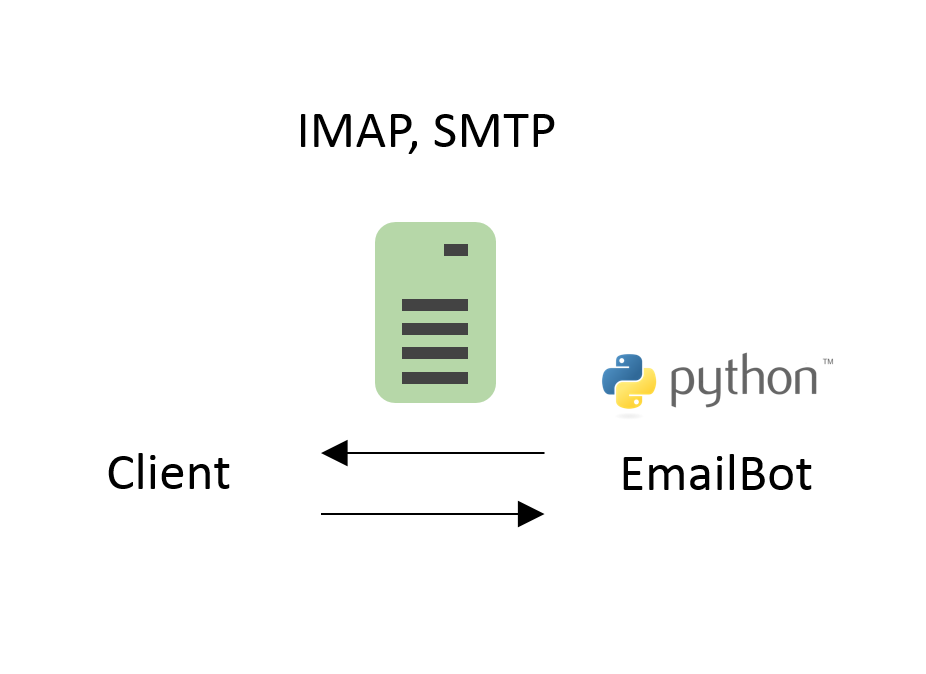
How to make Email Bot service in Python

How to make Email Bot service in Python. First of all, why you may want to use such service? Despite the fact that currently there are so many different channels of communication (including various messaging apps), Email is still a default and universal way to do it.

  • Literally every enterprise service supports email notifications, even if it’s integration capabilities are rather limited. So, with Email Bot you can automatically process such notifications.
  • Email is good, simple, reliable and familiar way to communicate with humans. Send an email – get response. Everyone can do it. So, email bot can make basic routine operations, like organizing the external meetings, pretty much like a human secretary.
  • It’s easier to code Email bot than any other interface, and the code can be reused for other communication channels, for example messaging apps.
How to make Email Bot service in Python

I get email messages from IMAP server in python3 using easyimap module.

Continue reading

Sending and receiving emails automatically in Python

Sending and receiving emails automatically in Python. There are different situations, when you may want to process email messages automatically. I will give some examples related to Vulnerability Management:

  • Send a message to your colleagues that you are going to start a network  vulnerability  scan or WAS scan. It is much better than investigating performance problems in a hurry.
  • Send the results of vulnerability scanning to colleagues or a responsible employee. Many patch management and configuration issues can be delegated to the end user directly without bothering IT department.
  • Process the response (if any) on your message. If it is not, you can send another message or escalate the problem.
  • Send a report with the current security status in the organization to your colleagues and boss.
  • Some systems you can integrate by email only. They will send messages to some email address and you will process them automatically.
  • Maybe you do not like existing email clients and you want to write your own? 😉

Gmail Python IMAP SMTP

In any case, the ability to send e-mails can be very useful. How to do this in python? Let’s assume that your IT team has granted you access to smtp and imap servers.

Continue reading