Tag Archives: MaxpatrolVM

About Remote Code Execution - PHP "PHP2Shell" (CVE-2026-109618, CVE-2026-109619) vulnerabilities

About Remote Code Execution - PHP PHP2Shell (CVE-2026-109618, CVE-2026-109619) vulnerabilities

About Remote Code Execution - PHP "PHP2Shell" (CVE-2026-109618, CVE-2026-109619) vulnerabilities. PHP is a popular server-side programming language. The vulnerabilities, covered in the October Linux Patch Wednesday, allow unauthenticated remote code execution through specially crafted requests. CVE-2026-109618 is caused by improper OOM error handling, while CVE-2026-109619 is caused by a use-after-free vulnerability in PHP's global data structures. Exploitation can lead to system compromise, data theft, malware installation, and access to internal networks.

⚙️ The PHP Foundation had known about the root cause since 2024 but prioritized a fix only on August 11, 2026. Updates planned for October 22 were released a day early due to an embargo breach. Users should upgrade to PHP 8.5.12, 8.4.27, 8.3.36, or 8.2.35, or install patched Linux distribution packages. For unsupported branches, migration to a supported version is recommended. Meanwhile, restrict Internet access and apply configuration-based workarounds. For network devices, install vendor fixes or apply recommended mitigations.

Positive Technologies implemented protections using PT AF, PT NAD, and PT NGFW, and released detection rules for MaxPatrol VM.

🛠 GitHub hosts over 1,000 public PHP2Shell exploit repositories, but achieving RCE against a specific target remains difficult. Exploitation requires a tailored exploit compatible with the target's PHP build, SAPI, extensions, and runtime configuration.

👾 Both vulnerabilities were added to CISA KEV on October 26. Confirmed exploitation remains limited, mostly involving network devices.

On October 26, Dream Group reported attacks on Palo Alto Networks devices in the US, Japan, Taiwan, and South Korea. Attackers identified 240 targets among 19,000 devices and compromised 24 firewalls and one management server. Three reportedly belonged to US government infrastructure. The attacks exploited PHP2Shell and the Linux kernel LPE vulnerability Fragnesia (CVE-2026-46300). Attackers stole service account credentials, user and group lists, network configurations, and private keys.

On November 12, Check Point experts reported attacks against Security Gateway devices that had started on October 30. By exploiting PHP2Shell and the DynamicCLI LPE vulnerability (CVE-2026-123039), attackers gained initial access, escalated their privileges, and installed the TSGA backdoor along with its network component, TSProxy. During the destructive phase of the attacks, they also gained SSH access to a VMware ESXi host and executed the destroy_v6 wiper.

🌐 According to Censys data, 27 million PHP services exposed to the Internet remain unpatched. In addition, the vulnerabilities affect products from numerous vendors, including Palo Alto Networks, Check Point, Netgate, Coolify, and Cisco.


Today starts an online hackathon organized by the MaxPatrol VM Positive Technologies team

Today starts an online hackathon organized by the MaxPatrol VM Positive Technologies team

Today starts an online hackathon organized by the MaxPatrol VM Positive Technologies team. Participants will develop vulnerability detection rules. There were no restrictions on the participation of PT employees, so I also applied and will share my impressions in the Telegram channel. 😏 I am very exited. 🤩

IMHO, involving the community in the development of security content is exactly what will radically improve the completeness and quality of vulnerability/misconfiguration detection in VM products. And that is the very essence of these products.

На русском

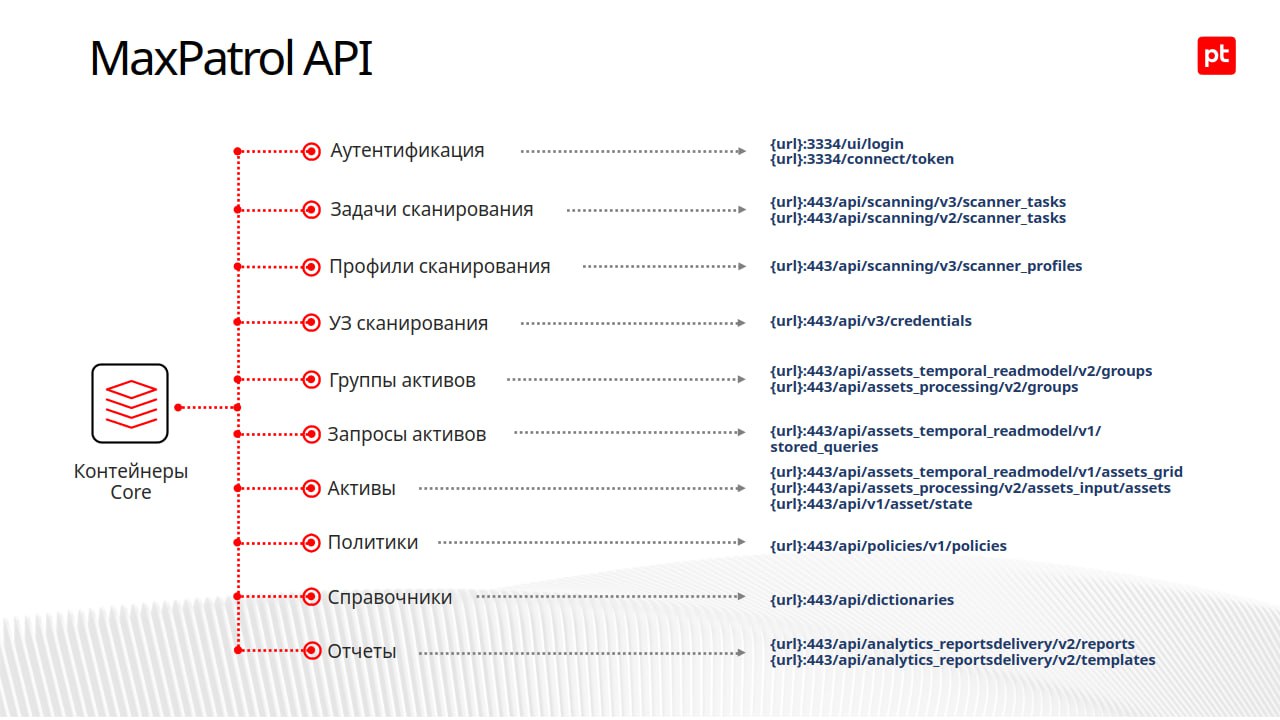
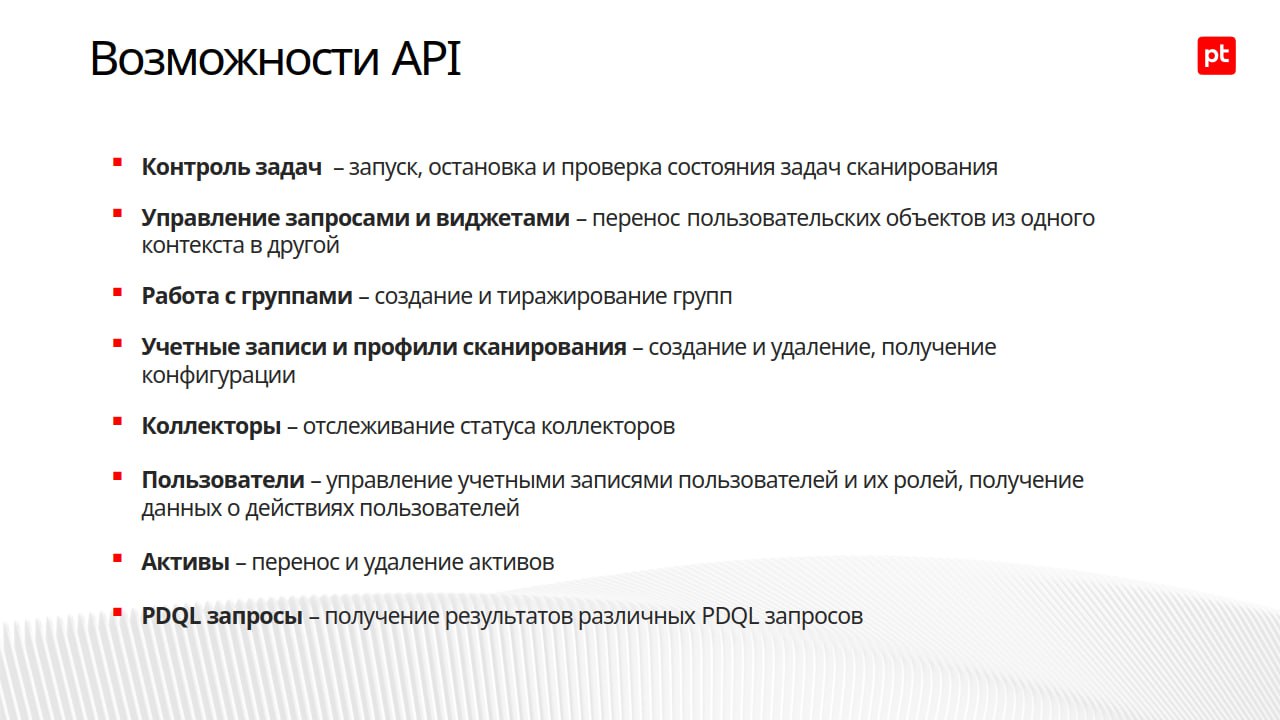
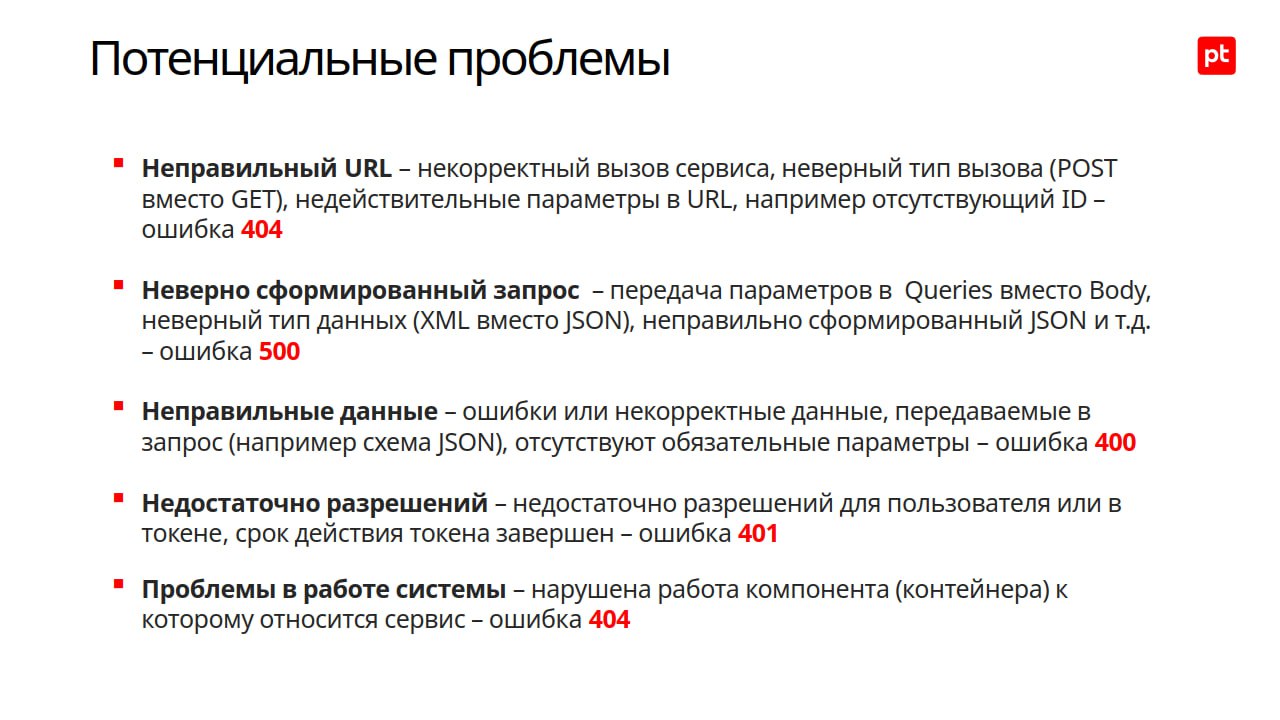
I watched the recording of the Positive Technologies webinar "How to use MaxPatrol VM API: theory and practice"

I watched the recording of the Positive Technologies webinar How to use MaxPatrol VM API: theory and practiceI watched the recording of the Positive Technologies webinar How to use MaxPatrol VM API: theory and practiceI watched the recording of the Positive Technologies webinar How to use MaxPatrol VM API: theory and practiceI watched the recording of the Positive Technologies webinar How to use MaxPatrol VM API: theory and practiceI watched the recording of the Positive Technologies webinar How to use MaxPatrol VM API: theory and practiceI watched the recording of the Positive Technologies webinar How to use MaxPatrol VM API: theory and practiceI watched the recording of the Positive Technologies webinar How to use MaxPatrol VM API: theory and practiceI watched the recording of the Positive Technologies webinar How to use MaxPatrol VM API: theory and practiceI watched the recording of the Positive Technologies webinar How to use MaxPatrol VM API: theory and practiceI watched the recording of the Positive Technologies webinar How to use MaxPatrol VM API: theory and practice

I watched the recording of the Positive Technologies webinar "How to use MaxPatrol VM API: theory and practice". On the theoretical part, everything is clear: there is a documented API; it is the same for integrations and Web GUI. 🙂

On the practical side they showed:

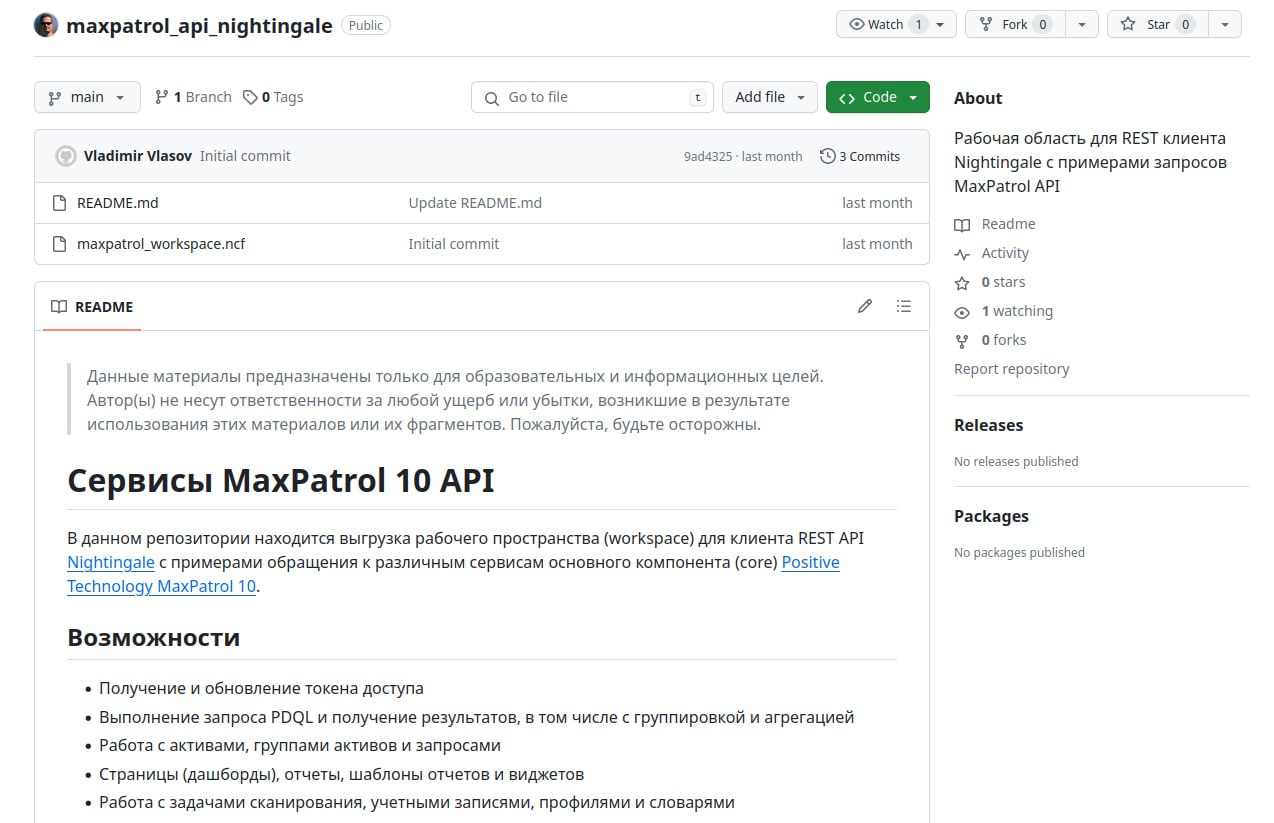
🔻 How to use the MaxPatrol API in the Nightingale REST client (examples on GitHub).
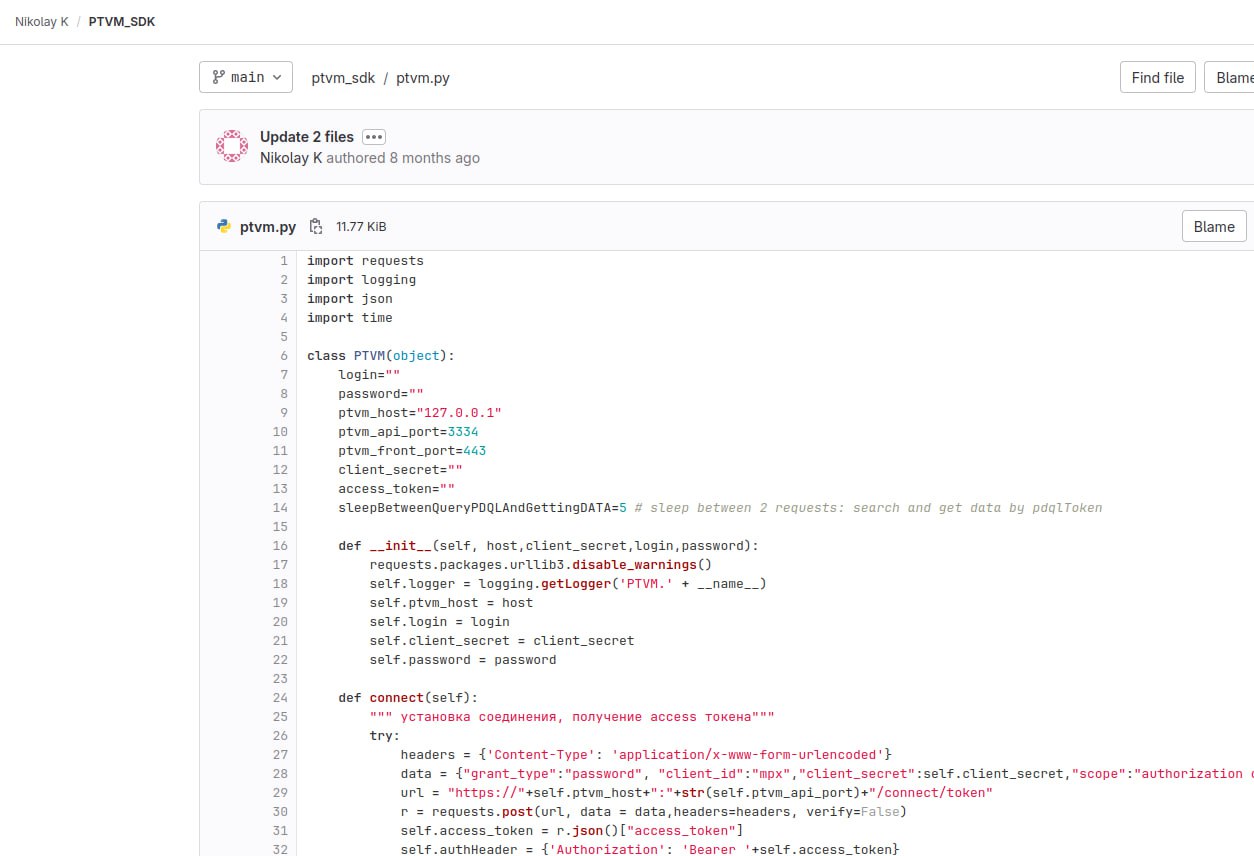
🔻 Unofficial PTVM SDK. A small Python script with one class for working with the MaxPatrol API.
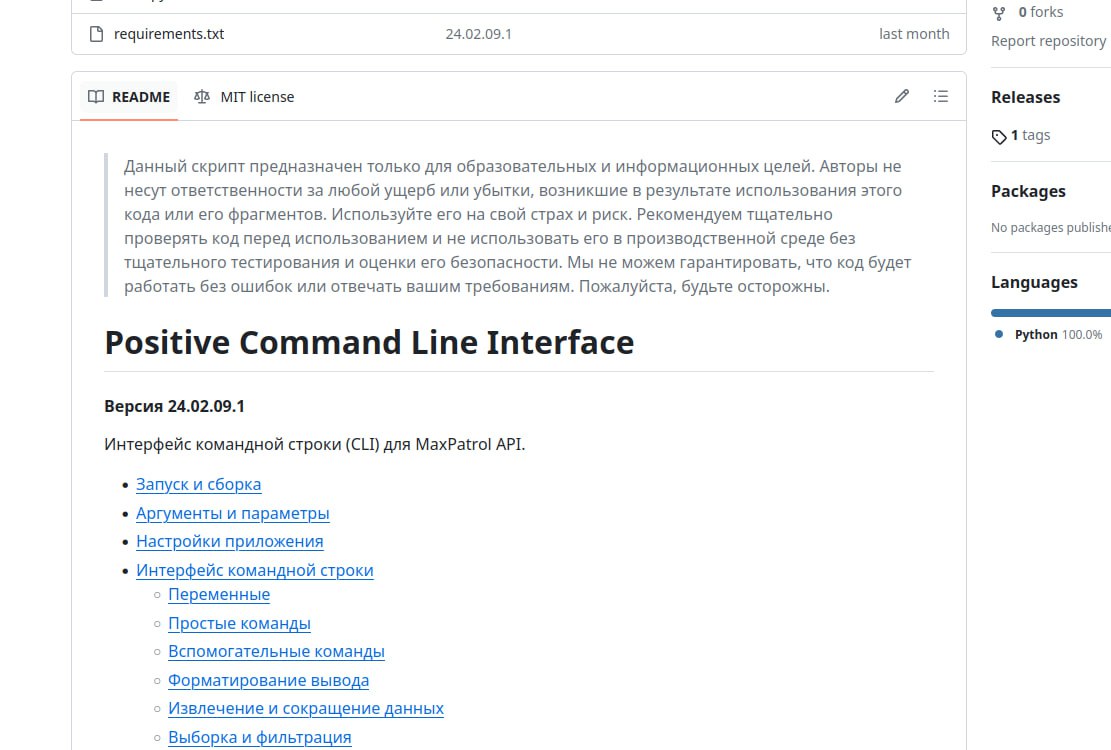
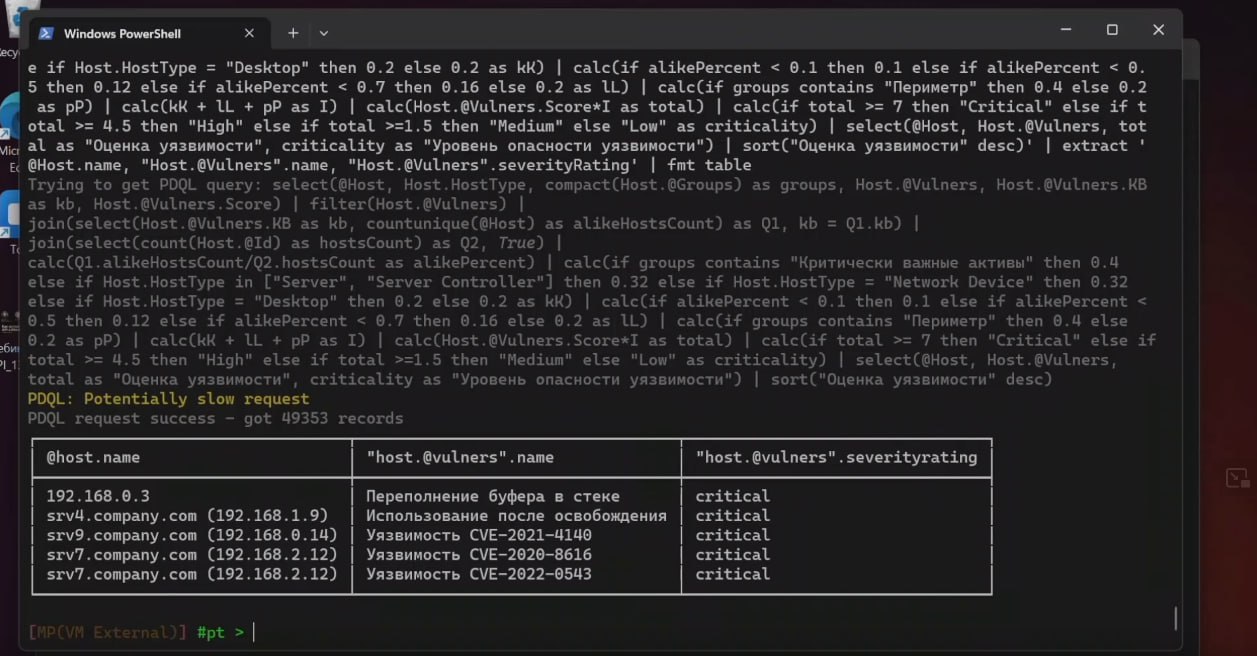
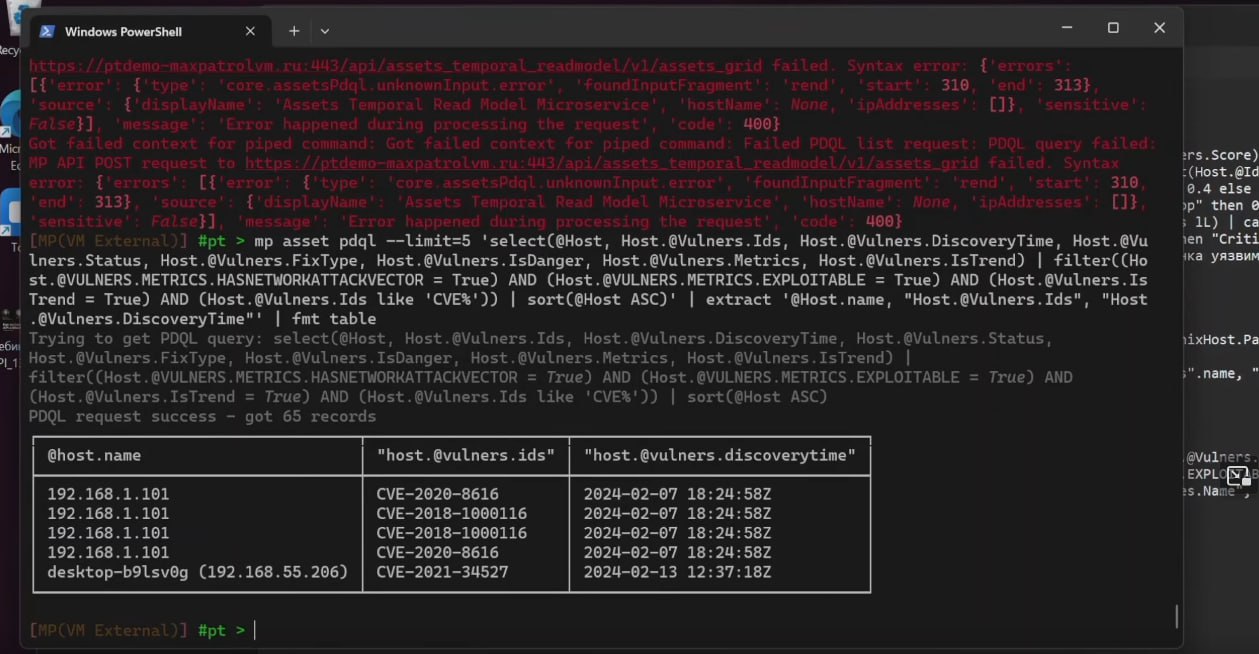
🔻 Positive CLI for MaxPatrol API. So, automation can be done simply with shell scripts! 😇 A much more functional project than the SDK, also in Python. The screenshots show the vulnerabilities with criticality calculated using FSTEC methodology and trending vulnerabilities with an exploit.
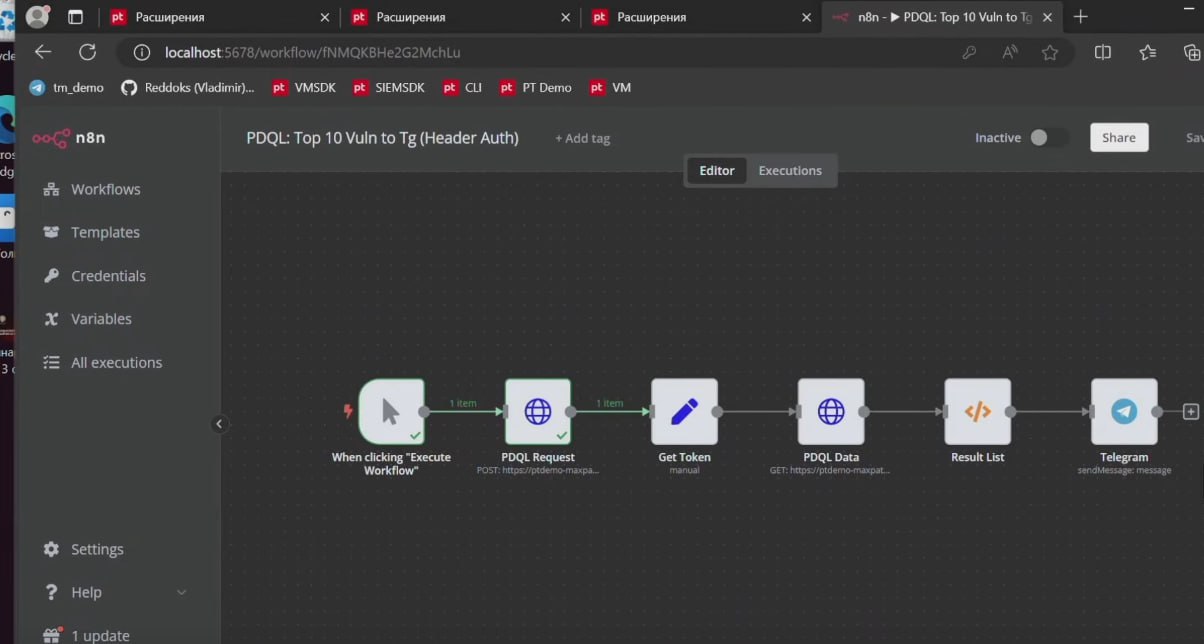
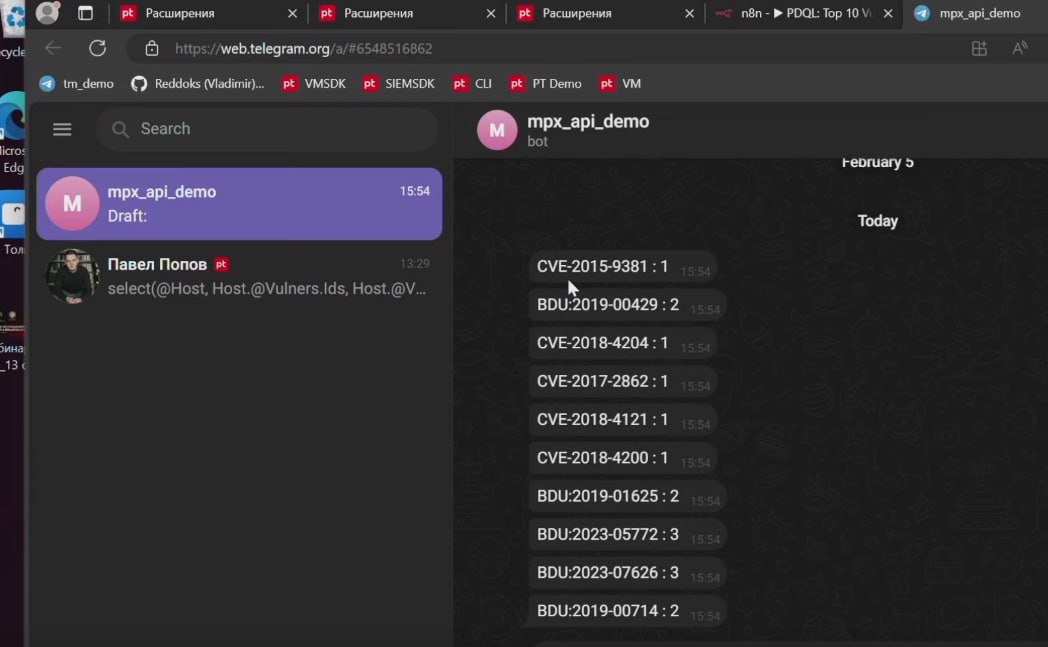
🔻 How to use the MaxPatrol API in the low-code tool n8n (e.g. sending query results to Telegram).

Links to projects are on the addons page.

Show it to your colleagues who work with MaxPatrol VM. 😉

На русском

CISO Forum 2022: the first major Russian security conference in the New Reality

CISO Forum 2022: the first major Russian security conference in the New Reality. Hello everyone! After a two-year break, I took part in Moscow CISO Forum 2022 with a small talk “Malicious open source: the cost of using someone else’s code”.

Alternative video link (for Russia): https://vk.com/video-149273431_456239084

CISO Forum is the first major Russian conference since the beginning of The New Reality of Information Security (TNRoIS). My presentation was just on this topic. How malicious commits in open source projects change development and operations processes. I will make a separate video about this (upd. added Malicious Open Source: the cost of using someone else’s code). In this episode, I would like to tell you a little about the conference itself.

Continue reading →

MaxPatrol VM: An Ambitious Vision for Vulnerability Management Transformation

MaxPatrol VM: An Ambitious Vision for Vulnerability Management Transformation. In this episode, I would like to share my thoughts about the new Vulnerability Management product by Positive Technologies – MaxPatrol VM. It was presented on November 16th, at the Standoff365 online conference (full video in Russian). The presentation and concept of the product were very good. I really liked them. However, as it always happens on vendor’s events, some critical topics were not covered. So I also want to highlight them. I will try to be as objective as possible. Although it is difficult for me, since I have worked in the company for 6 years, and many of my good friends work there.

MaxPatrol VM

Positive Technologies is best known in the Russian Vulnerability Management market. The volume of the Russian VM market in 2019 is $40-46 million. The volume of the world market, according to IDC, is $1.2 billion. So the Russian market is ~3% of the world market. And 78% of it is occupied by Positive Technologies products: Maxpatrol 8 and XSpider. Disclaimer: all numbers are from the Maxpatrol VM presentation and I haven’t done fact checking. But in this case, the numbers are not so important.

Continue reading →