
Author Archives: Alexander Leonov

About Alexander Leonov

Hi! My name is Alexander and I am a Vulnerability Management specialist. You can read more about me here. Currently, the best way to follow me is my Telegram channel @avleonovcom. I update it more often than this site. If you haven't used Telegram yet, give it a try. It's great. You can discuss my posts or ask questions at @avleonovchat. А всех русскоязычных я приглашаю в ещё один телеграмм канал @avleonovrus, первым делом теперь пишу туда.

Guinea Pig and Vulnerability Management products

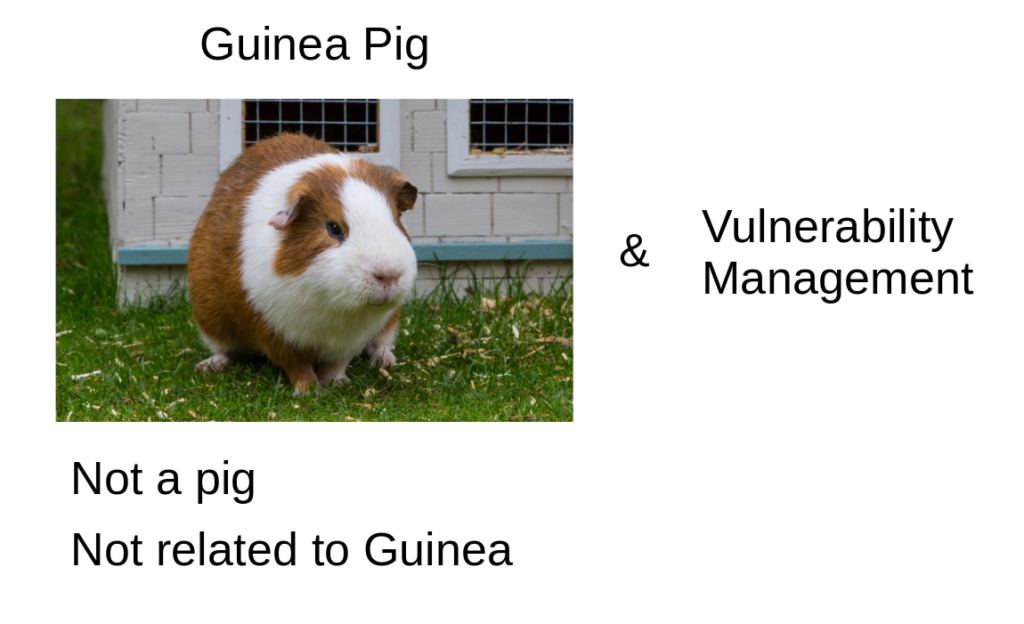
Guinea Pig and Vulnerability Management products. IMHO, security vendors use the term “Vulnerability Management” extremely inaccurate. Like a guinea pig, which is not a pig and is not related to Guinea, the current Vulnerability Management products are not about the actual (practically exploitable) vulnerabilities and not really about the management.

Guinea Pig and Vulnerability Management

Vulnerability should mean something solid and reliable, something that can be practically used by a malicious attacker or penetration tester.

When (so-called) Vulnerability Management vendors start working with indirect information from third-party about potential vulnerabilities in the software, that were possibly exploited by someone in some unknown conditions, or simply distance from responsibility: “we just provide information from the software vendor; software vendor knows better about the vulnerabilities in his own products”, it’s all falling into to the area of fortune telling and counting angels on the head of a pin.

Hardcore process of identifying weaknesses that real-life attackers can use moves to a boring compliance. For example, as PCI DSS requires, there should be no vulnerabilities above medium level (CVSS Base score > 4). At the same time, no one cares how fair this assessment of criticality is or how real these vulnerabilities are. All the analytics build on such formal data loses its sharpness and practical value.

Continue reading

PRYTEK meetup: Breach and Attack Simulation or Automated Pentest?

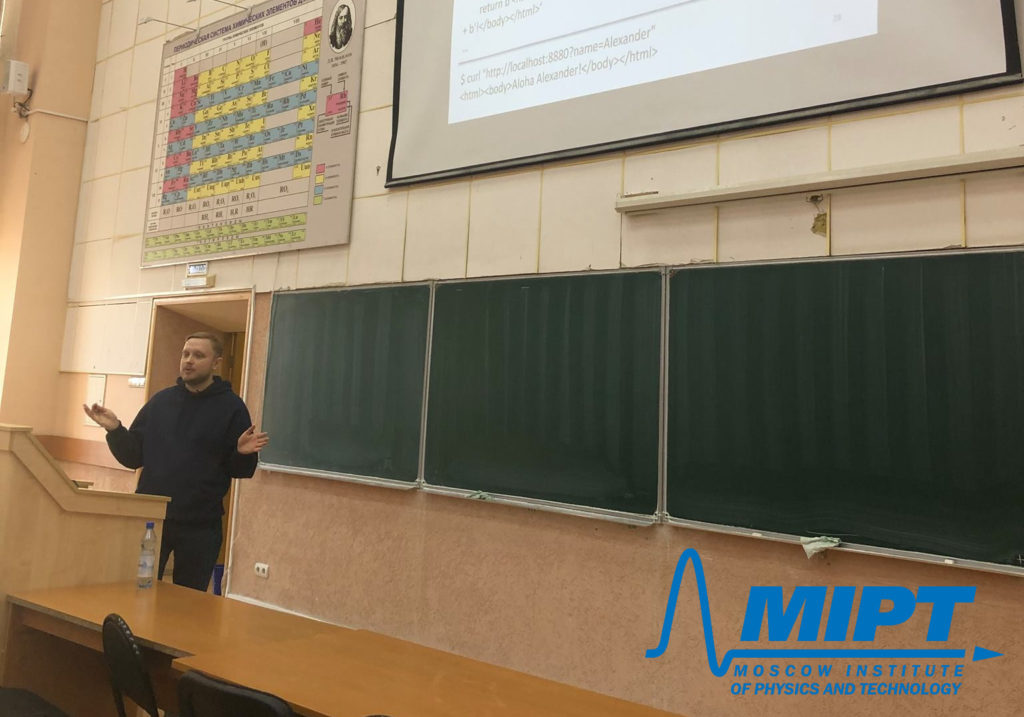
PRYTEK meetup: Breach and Attack Simulation or Automated Pentest? Last Tuesday, November 27, I spoke at “Business Asks for Cyber Attacks” meetup organized by PRYTEK investment platform. The event was held at the PRYTEK Moscow office in a beautiful XIX century building of a former textile manufactory.

PRYTEK Breach and Attack Simulation meetup

The goal of the meetup was to talk about new approaches in Vulnerability Analysis and how they can reduce the Information Security costs for organizations.

There were two presentations:

  • The first one was by Doron Sivan, Cronus CEO. He talked about his company’s product.
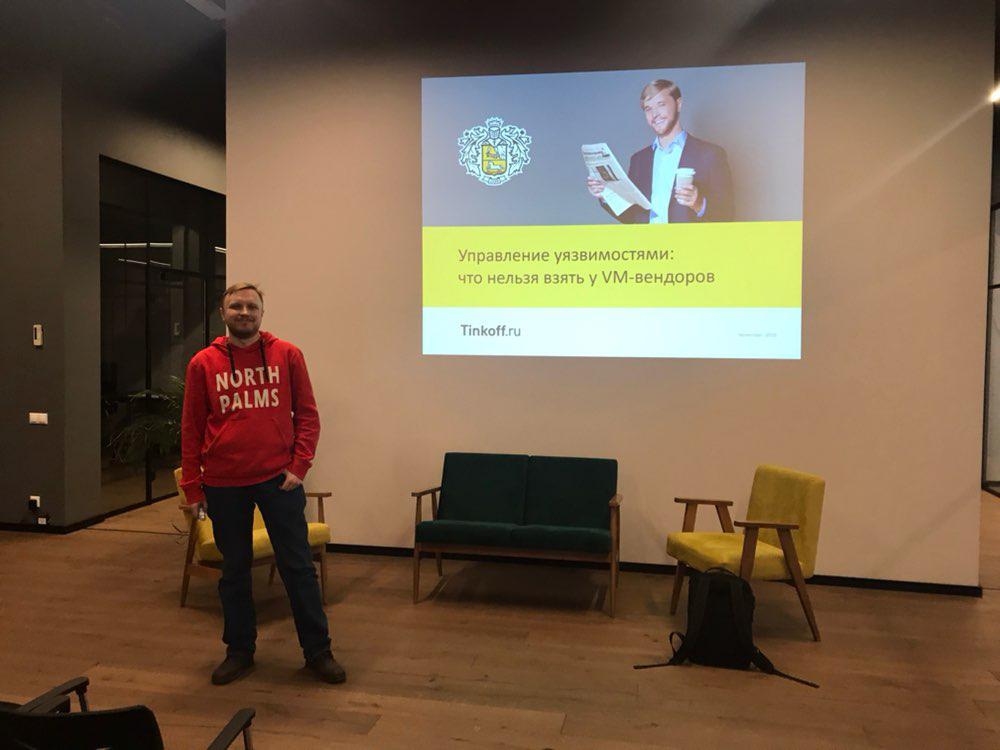
  • The second was mine. I criticized traditional vendors of vulnerability scanners, talked about things that work in companies, and things that don’t work, and what you should pay attention to when choosing a Vulnerability Management tool.

For the most part this was my report from the last ISACA VM Meetup. The only difference was in the conclusions, since the topic of this event and the audience were different.

I stressed that the Attack Simulation tools, like Cronus, that analyze vulnerabilities and network connectivity of hosts can be very helpful. They allow you to assess the criticality of each vulnerability better and help to justify the need in prompt patching for IT Team (see “Psychological Aspects of Vulnerability Remediation“).

Continue reading

Making Vulnerable Web-Applications: XXS, RCE, SQL Injection and Stored XSS ( + Buffer Overflow)

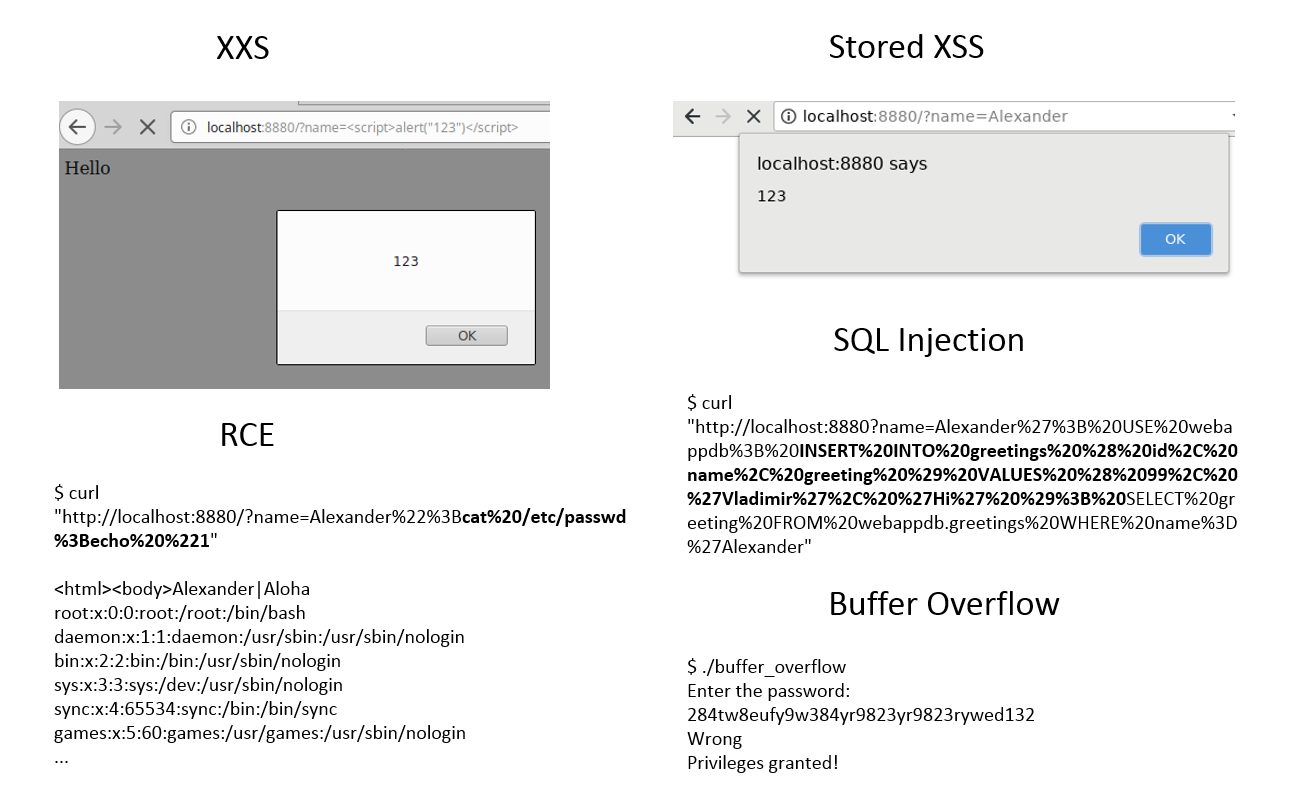
Making Vulnerable Web-Applications: XXS, RCE, SQL Injection and Stored XSS ( + Buffer Overflow). In this post I will write some simple vulnerable web applications in python3 and will show how to attack them. This is all for educational purposes and for complete beginners. So please don’t be too hard on me. 😉

Vulnerability Examples

As a first step I will create a basic web-application using twisted python web server (you can learn more about it in “Making simple Nmap SPA web GUI with Apache, AngularJS and Python Twisted“).

Continue reading

VB-Trend 2018 Splunk Conference

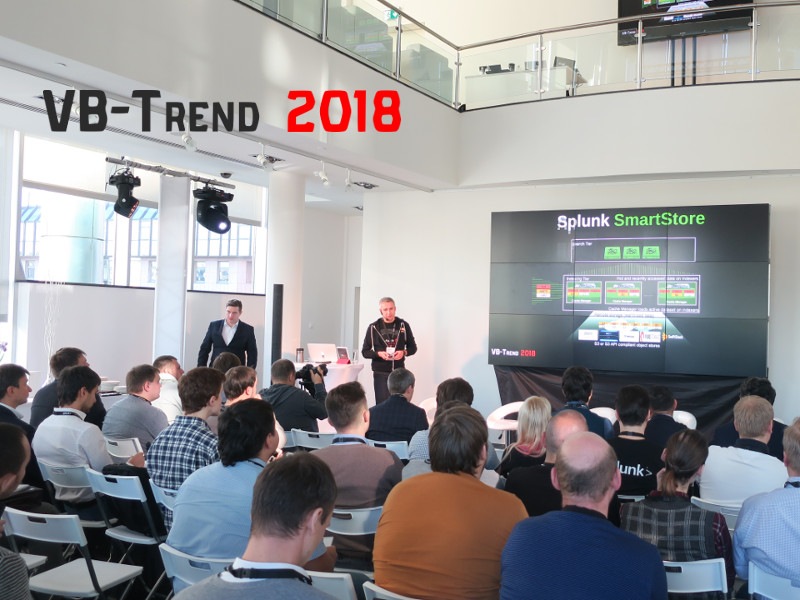
VB-Trend 2018 Splunk Conference. Today I attended VB-Trend 2018 Splunk conference organized by system integrator VolgaBlob.

VB-Trend 2018

Video fragments from the event:

Comparing to “Splunk Discovery Day“, the conference was much smaller (less than 100 people), focused on technical aspects, Information Security and informal communication. And I need to say that there really was a lot of talks with colleagues from different companies, not only about Splunk, but also about Vulnerability Management, Application Security and Container Security.

Continue reading

Making CVE-1999-0016 (landc) vulnerability detection script for Windows NT

Making CVE-1999-0016 (landc) vulnerability detection script for Windows NT. The fair question is why in 2018 someone might want to deal with Windows NT and vulnerabilities in it. Now Windows NT is a great analogue of DVWA (Damn Vulnerable Web Application), but for operating systems. There are a lot of well-described vulnerabilities with ready-made exploits. A great tool for practising.

Making CVE-1999-0016 (landc) vulnerability detection script for Windows NT

Well, despite the fact that this operating system is not supported since 2004, it can be used in some weird legacy systems. 😉

Continue reading

Adding custom NASL plugins to Tenable Nessus

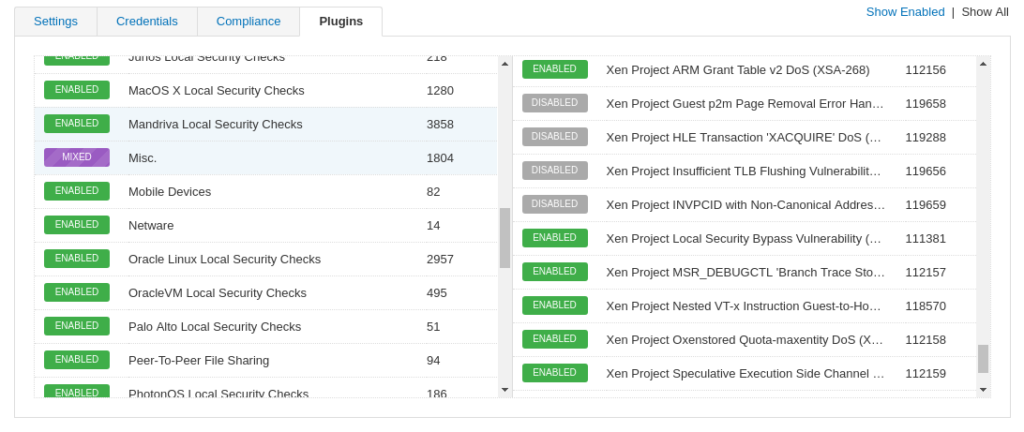
Adding custom NASL plugins to Tenable Nessus. Making custom NASL scripts (plugins) for Nessus is a pretty complicated process. Basically, NASL (Nessus Attack Scripting Language) is an internal instrument of Tenable and it seem that they are not really interested in sharing it with the community. The only publicly available official documentation, NASL Reference Guide and NASL2 reference manual, was written at least 13 years ago. Certainly many things changed since then in the actual product.

Adding custom NASL plugins to Tenable Nessus

However, it’s still possible to add custom NASL scripts into the plugin set of your Nessus server. Let’s see how to do it. Everything was tested in the latest Nessus 8.

Continue reading

Splunk Discovery Day Moscow 2018

Splunk Discovery Day Moscow 2018. Today I attended the Splunk Discovery Day 2018 conference. It is something like a local equivalent of the famous Splunk .conf. More than 200 people have registered. The event was held in the luxury Baltschug Kempinski hotel in the very center of Moscow with a beautiful view of the Red Square and St. Basil’s Cathedral.

Recently, I have been working more and more with Splunk: I develop connectors, write searches and dashboards, optimize them. Splunk has become the main data visualization tool for me.

Splunk Discovery Day Moscow 2018

Video from the event (27 minutes). This is NOT a complete recording of speeches, but rather some fragments and slides.

At the same time, I make most of data analysis with my own Python scripts. Currently this approach seems more effective. But as for providing final results in a beautiful way and making various notifications, in this sphere Splunk is really convenient and useful. Of course, I can make own a Web GUI application that will do something similar for my tasks, it doesn’t make sense if there is an Enterprise level tool that is very good for this.

My tasks are not quite typical for Splunk clients from Security Teams who look at it in the context of SIEM and SOC mainly. Asset Inventory is actually similar to Business Intelligence: almost all connectors are non-standard, and there are no strict requirements for real time (we operate with days and months, not seconds). We have same approach: “Bring some data to Splunk and get insights from it.” And in this sense, it is great that this event was NOT for the information security experts mainly.

It was mentioned a lot that Splunk is primarily a tool for Business Intelligence. And it’s not just for geeks. Splunk is preparing a mobile application with augmented reality, technologies for recognizing requests in natural language and voice. I think this is all mainly for fun, but the trend for casualty is clear.

Continue reading