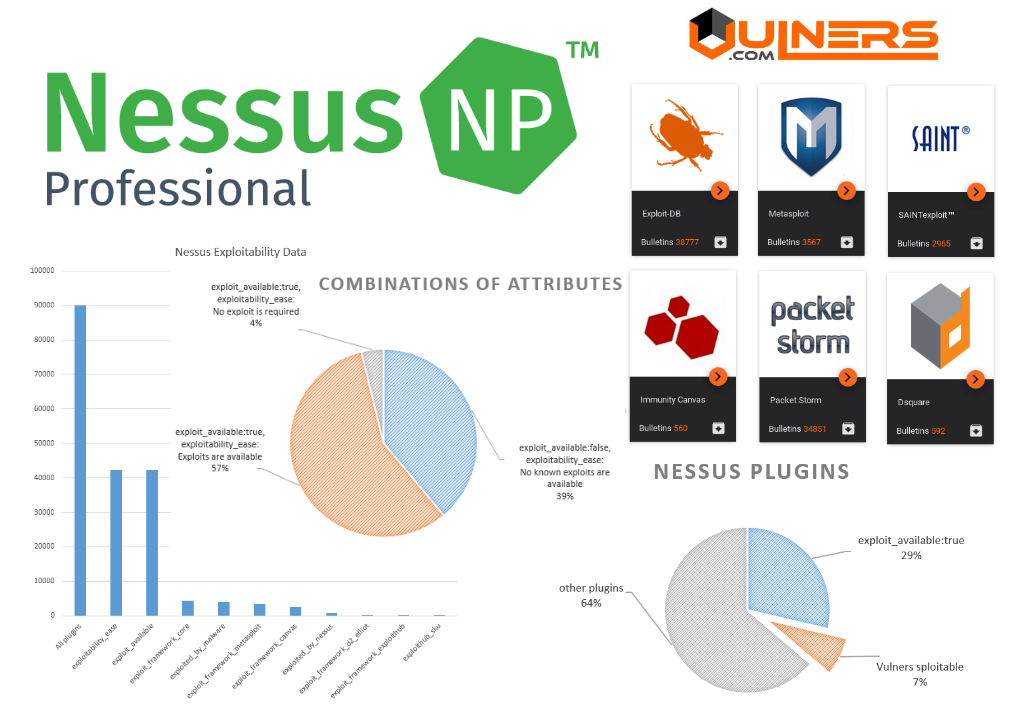
Exploitability attributes of Nessus plugins: good, bad and Vulners. Exploitability is one of the most important criteria for prioritizing vulnerabilities. Let’s see how good is the exploit-related data of Tenable Nessus NASL plugins and whether we can do it better.
What are the attributes related to exploits? To understand this, I parsed all nasl plugins and got the following results.
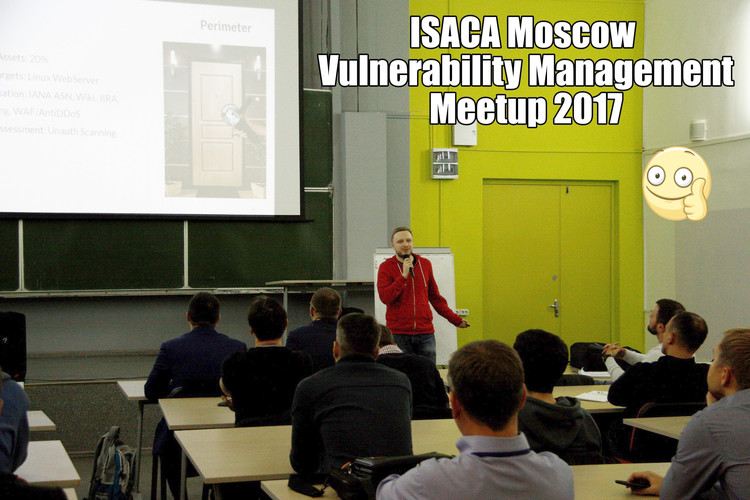
ISACA Moscow Vulnerability Management Meetup 2017. Last Thursday, I attended a very interesting event entirely dedicated to Vulnerability Management – open ISACA Moscow meetup. Me and my former colleague from Mail.Ru Group Dmitry Chernobaj presented there our joint report “Enterprise Vulnerability Management: fancy marketing brochures and the real-life troubles”.
The number of registered participants totaled 120. As I can tell looking at the photo below, there were about 80 people in the hall after the second presentation. For a highly focused local information security event, it’s a lot. According to the organizers, it was the largest ISACA Moscow meetup. Thanks to everyone who came!
I would like to mention a well-structured agenda. There were 4 presentations arranged in order: from the most theoretical / methodical to the most practical. And our presentation was the last one.
Oleg Boyko started the event. He was talking about the place of Vulnerability Management in COBIT 5 framework. I don’t know COBIT good enough to comment on this. The main thing I’ve noticed is that among the 37 COBIT 5 processes, there is no a process for managing the vulnerabilities, such as Manage Assets or Manage Configurations.
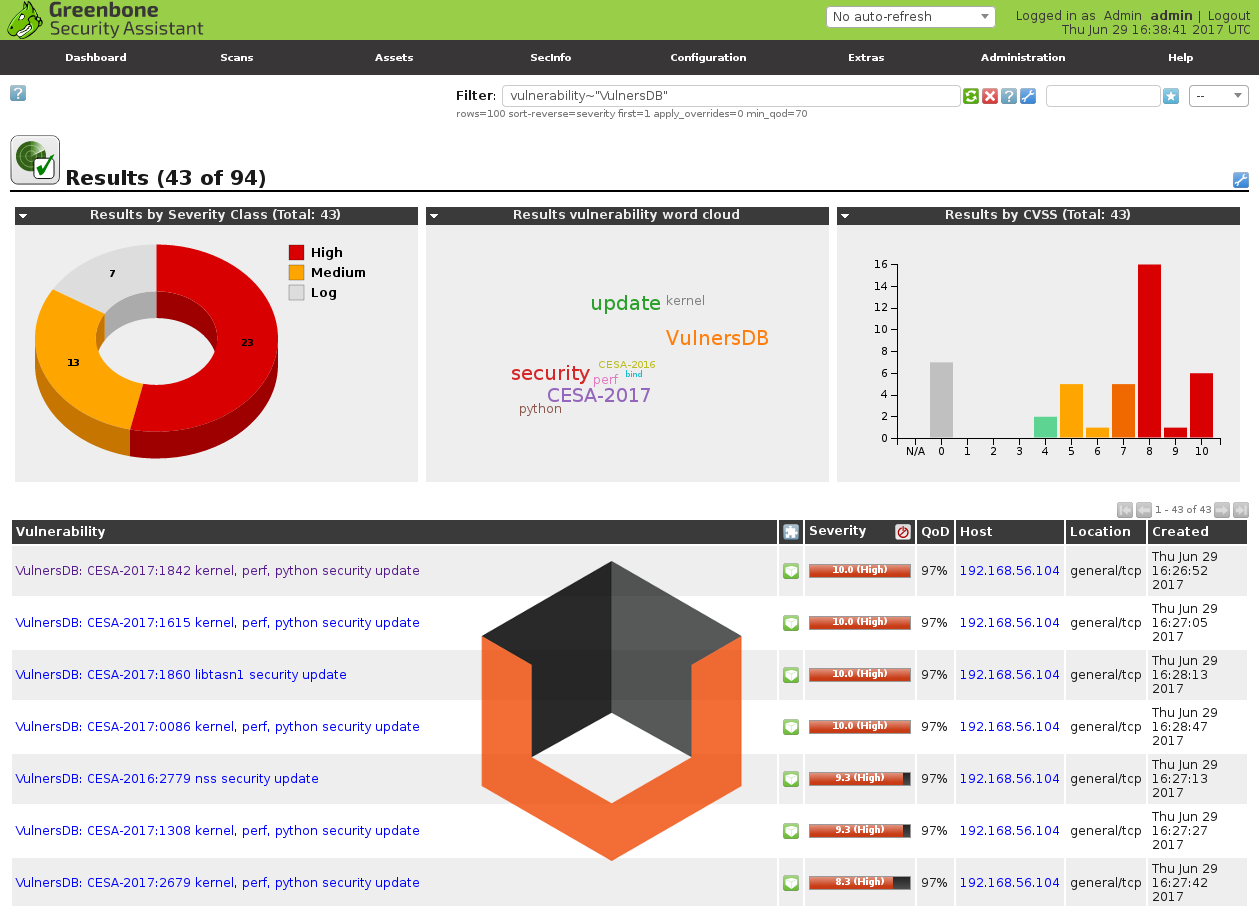
Vulners NASL Plugin Feeds for OpenVAS 9. As I already wrote earlier, you can easily add third party nasl plugins to OpenVAS. So, my friends from Vulners.com realised generation of NASL plugins for OpenVAS using own security content. I’ve tested it for scanning CentOS 7 host. And it works =)
Sending and receiving emails automatically in Python. There are different situations, when you may want to process email messages automatically. I will give some examples related to Vulnerability Management:
Send a message to your colleagues that you are going to start a network vulnerability scan or WAS scan. It is much better than investigating performance problems in a hurry.
Send the results of vulnerability scanning to colleagues or a responsible employee. Many patch management and configuration issues can be delegated to the end user directly without bothering IT department.
Process the response (if any) on your message. If it is not, you can send another message or escalate the problem.
Send a report with the current security status in the organization to your colleagues and boss.
Some systems you can integrate by email only. They will send messages to some email address and you will process them automatically.
Maybe you do not like existing email clients and you want to write your own? 😉
In any case, the ability to send e-mails can be very useful. How to do this in python? Let’s assume that your IT team has granted you access to smtp and imap servers.
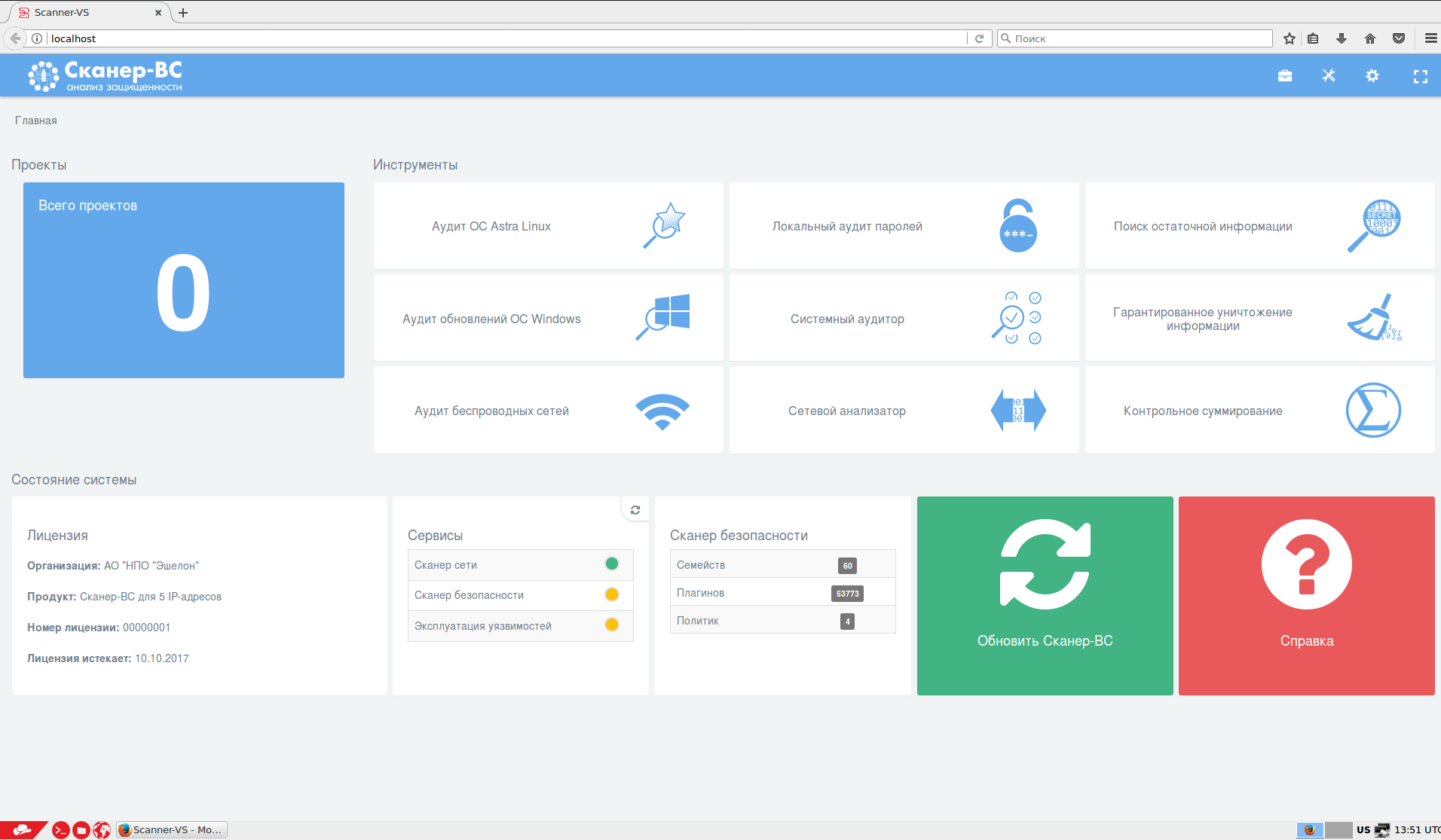
Scaner-VS: Vulnerability Management solution for Russian Military. Scaner-VS is a Vulnerability Assessment system developed by Moscow-based NPO Echelon. It’s pretty popular in Russian government organizations, especially in Russian Army, because it comply all government requirements, has all necessary certificates and is relatively cheap.
As for requirements and certificates, NPO Echelon itself is an important certification authority, so they know how to do the things right. It’s not a secret product or something. You can request trial version freely at http://scaner-vs.ru/version-for-testing/. But note, that it is only available in Russian. I am also sorry, but screenshots in this post will be also in Russian. I will try to do my best to describe them properly.
When you fill the form on Echelon website, you will soon get a link to 3.3 gb .iso file by email. Run it in VirtualBox virtual machine (choose Debian 64 or Debian 32).
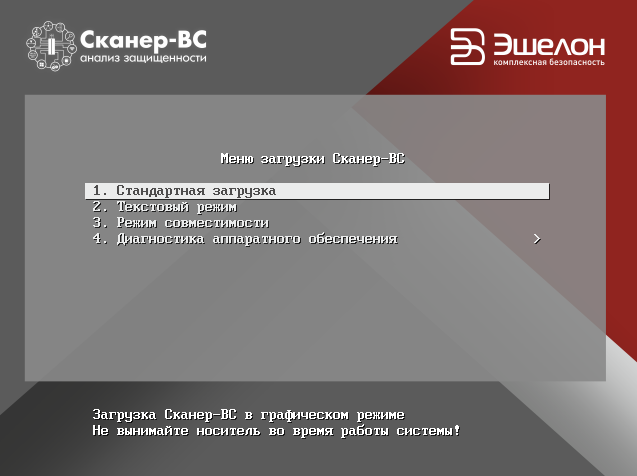
Here is a boot menu. Choose first default option.
Some seconds later you will see Linux desktop environment with Scaner-VS web-GUI opened in Firefox.
Problems of Vulnerability Prioritization and Detection. It’s the third part of our talk with Daniil Svetlov at his radio show “Safe Environment” recorded 29.03.2017. In this part we talk about Vulnerability Prioritization and Detection:
Common Vulnerability Scoring System (CVSS)
Environmental factor
Manual and automated vulnerability detection
Unauthenticated and authenticated scanning
Why vulnerability scanners are so expensive and why the can’t detect everything
Video with manually transcribed Russian/English subtitles:
Prioritization
– Here also the question how to prioritize vulnerabilities properly. Because if you have, as you said, two Linux servers and 20 workstations running Windows, then in principle, you may not need to do prioritization. But if you have fifteen hundred servers: some of them are on perimeter, some are in your DMZ, some are in the internal network. It is still necessary, probably, to understand correctly which vulnerabilities and where should be patched in in the first place.
Yes, this is absolutely true and it’s a very good question. How to prioritize?
Common Vulnerability Scoring System
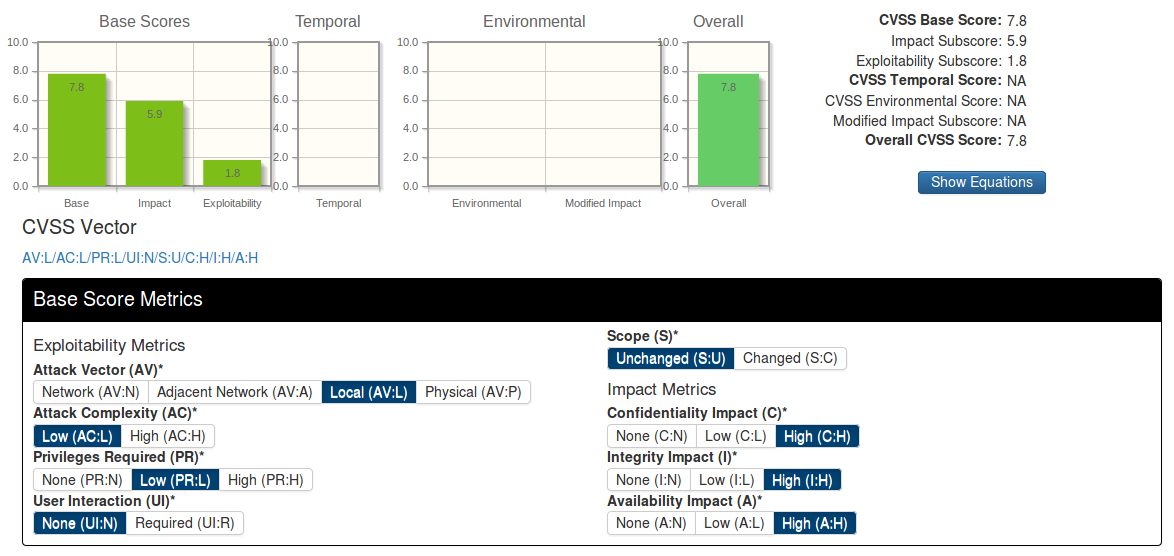
A natural way. If we look at vulnerabilities with a CVE identifier, for them in the US National Vulnerability Database we can find CVSS Base Score. It is an assessment of vulnerability criticality level.
How is it calculated?
Some person fills the questionnaire: can it be remotely exploited – no, is there public exploit – no, etc.
The result is a CVSS vector – this is a line in which you can see the main characteristics of this vulnerability and CVSS Base score is the score from 0 to 10 depending on criticality.
This is a natural way of prioritization. But sometimes this method does not give very good results.
Great OpenVAS news: delay in plugin feed will be dropped, new GVM-Tools for remote management released. Jan Oliver Wagner, CEO of Greenbone and OpenVAS Community leader sent recently several messages to community email list with the great news.
First of all, Greenbone decided to drop two weeks delay in a free plugin feed, that was implemented in June 2017 and made some OpenVAS users pretty nervous.
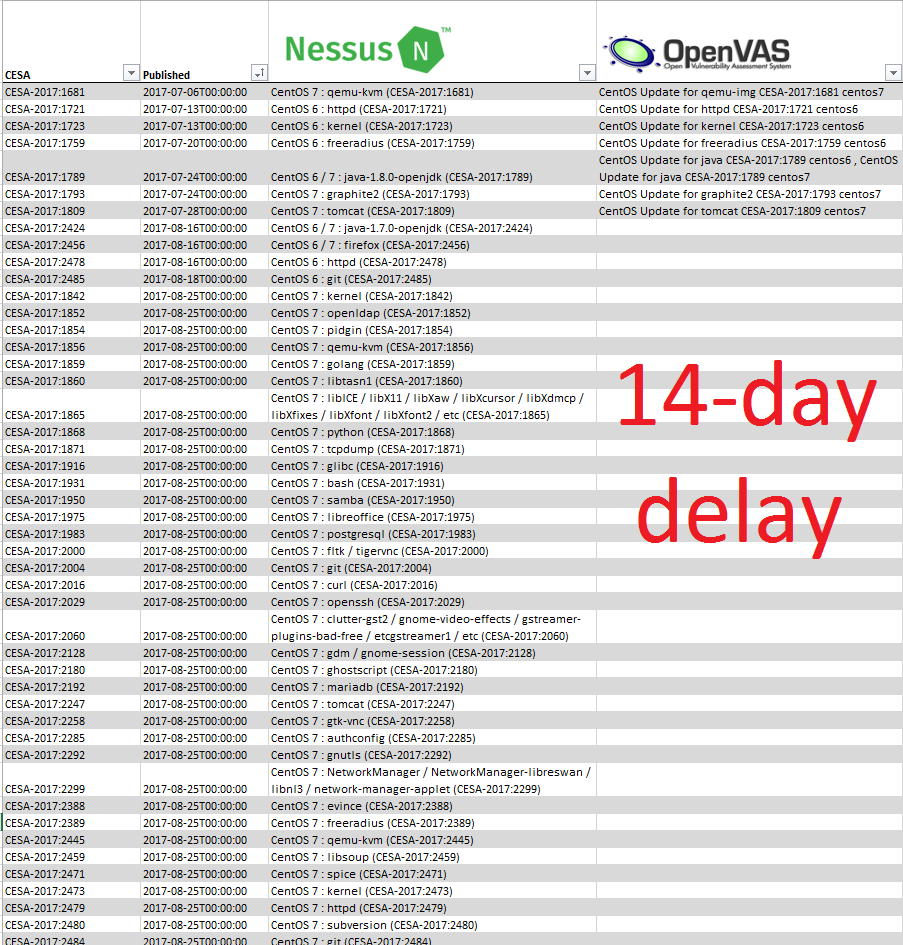
The feed will stay delayed until September 4th, 2017. To demonstrate the current state I used some data from Vulners.com collections. Let’s see the nasl vulnerability detection plugins for CentOS in Nessus and OpenVAS. I know that Windows would be much more clear, but Microsoft released latest MS17-023 bulletin in March, so now there is no much difference there.
As you can see, no OpenVAS plugins since 2017-08-16, literally two weeks. And I hope this will change very soon.
Don’t forget that NVT will be called now GCF (Greenbone Community Feed) and some advanced enterprise-level checks will be now released only in paid feed.
Another good news is the recent release of open source GVM-Tools for controlling OpenVAS remotelly. It will replace old console client openvas-cli (omp). Let’s try to download and install it on Debian host with installed OpenVAS (see “Installing OpenVAS 9 from the sources“).
This is my personal blog. The opinions expressed here are my own and not of my employer. All product names, logos, and brands are property of their respective owners. All company, product and service names used here for identification purposes only. Use of these names, logos, and brands does not imply endorsement. You can freely use materials of this site, but it would be nice if you place a link on https://avleonov.com and send message about it at me@avleonov.com or contact me any other way.