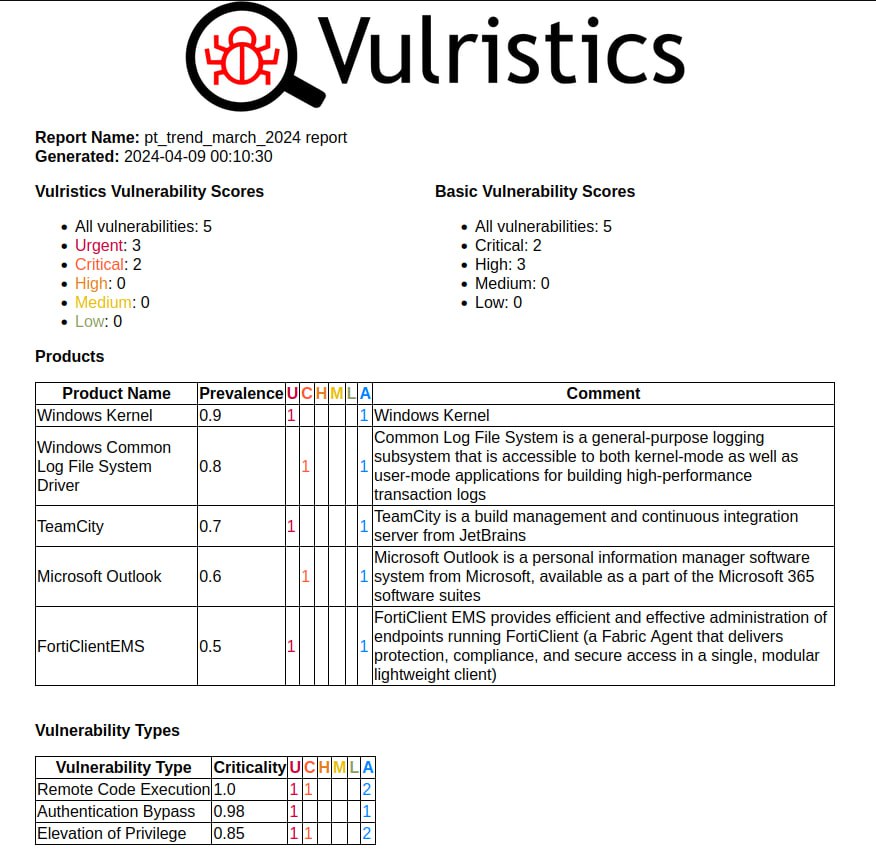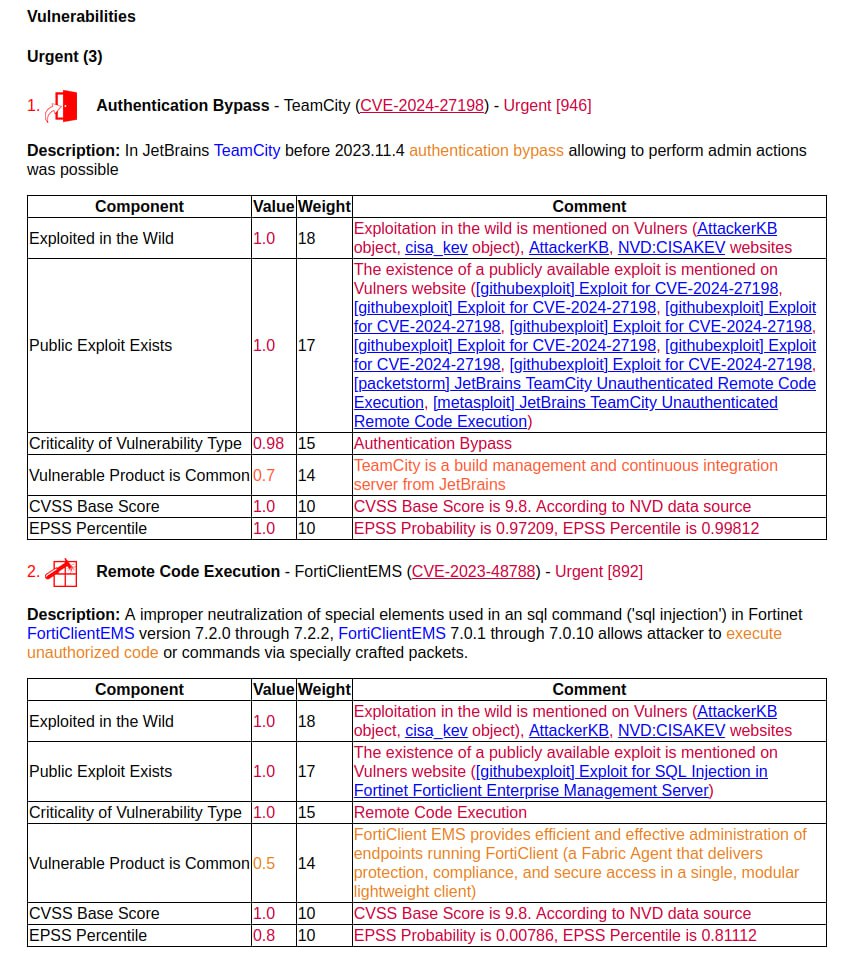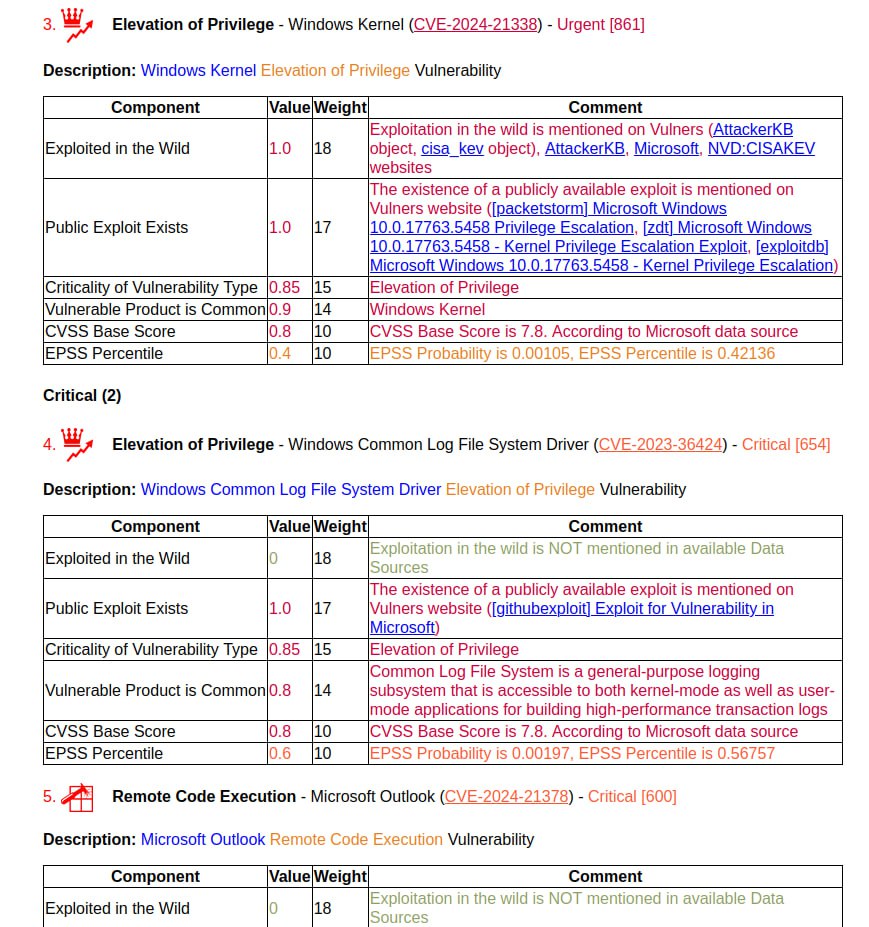
About Remote Code Execution - TeamCity (CVE-2026-63077) vulnerability. TeamCity is a proprietary solution developed by JetBrains for automating software build, testing, and deployment processes. TeamCity uses a central server to coordinate builds and separate build agents to execute them. An agent can communicate with the server through the agent polling protocol: it registers with the server, requests the next command, and reports whether the command succeeded or failed. The vulnerability allows an unauthenticated remote attacker with HTTP(S) access to a TeamCity On-Premises server to execute arbitrary operating system commands with the privileges of the TeamCity Server process through the agent polling protocol. The vulnerability is caused by insecure deserialization of XML data (CWE-502). Depending on the privileges of the TeamCity Server process, successful exploitation may allow an attacker to access TeamCity data, configurations, and stored credentials, modify the server state, and potentially compromise the integrity of build artifacts and downstream CI/CD pipelines.
⚙️ A notice about this critical vulnerability was published on the JetBrains blog on July 27. The vulnerability affects all versions of TeamCity On-Premises. To remediate the vulnerability, users should upgrade to version 2025.11.7 or 2026.1.3. As a compensating measure, a security patch plugin can be installed on TeamCity 2017.1 and later to prevent exploitation of the vulnerability. For TeamCity 2017.1-2018.1, the server must be restarted after installing the plugin. Starting with TeamCity 2018.2, the plugin can be enabled without restarting the TeamCity server. As a longer-term security measure, the vendor recommends limiting network access to TeamCity servers to trusted networks, including restricting access to the TeamCity login page and REST API. It is also recommended to run the TeamCity server under an operating system account with the minimum privileges required for normal operation. TeamCity servers should be deployed on dedicated hosts separate from build agents, as described in the documentation.
👾 The vulnerability was added to the CISA KEV on August 5. On August 7, JetBrains published a report confirming exploitation of the vulnerability in the wild. The vendor recommended checking TeamCity logs for com.thoughtworks.xstream.converters.ConversionException messages, which may indicate successful exploitation of the vulnerability and warrant further investigation. After updating the server or installing the security patch plugin, logs can be checked for com.thoughtworks.xstream.security.ForbiddenClassException messages, which indicate that an exploitation attempt was blocked. Unauthorized build agents, particularly those with names beginning with scan, may also indicate exploitation attempts.
🛠 A technical analysis of the vulnerability and a link to a public exploit were published on the Rapid7 blog on August 7. A Metasploit module for simplified exploitation of the vulnerability has been available since August 28.
🌐 According to JetBrains, TeamCity is used by more than 30,000 organizations worldwide across government, technology, financial services, healthcare, and other sectors, including some Fortune 500 companies. As of July 30, Censys had detected approximately 4,500 TeamCity installations exposed to the Internet. Of these, 450 were running versions 2025.11.7 or 2026.1.3. Most of the remaining installations were running earlier versions or did not disclose version information.